
Fade Haircuts: 12 Styles and How to Choose the Right One
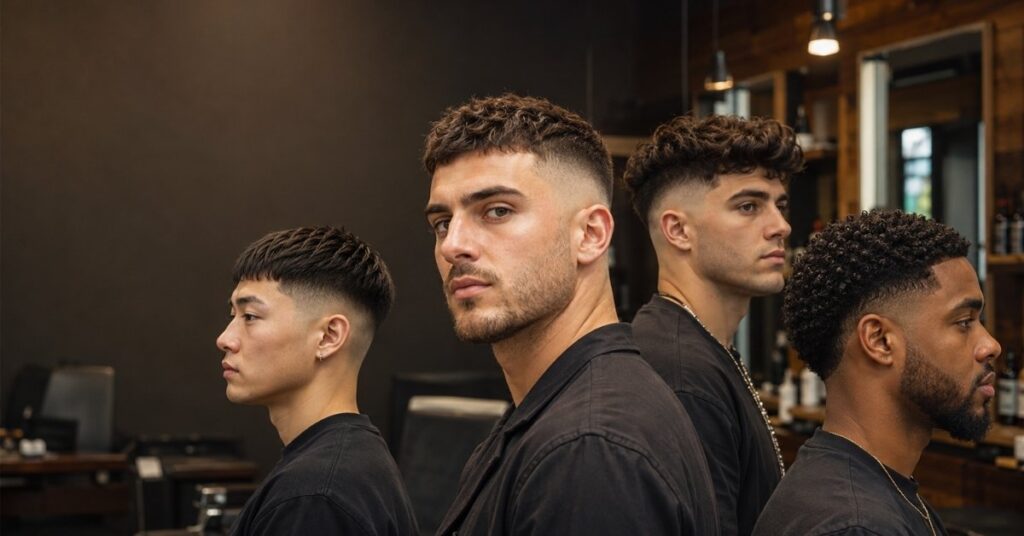
A good fade makes a haircut look clean without demanding a complicated daily routine. The key is choosing where the shorter sides begin, how close they go to the skin, and how they blend into your top.
I’ve seen men walk out of barbershops disappointed not because the fade was wrong, but because nobody discussed the top so this guide covers both. You’ll learn how fades work, which options suit different hair types, twelve styles worth considering, and what to ask your barber before the clippers start.
My advice is to choose for your everyday routine first and use reference photos second.
What Makes Fade Haircuts Different or Important?
A fade gradually blends longer hair into shorter hair along the sides and back. It can begin near the ears, around the middle of the head, or much higher. A good blend avoids obvious steps unless you deliberately want a hard line or design.
The top is just as important: it might be curly, brushed forward, swept back, cropped, or long enough for a quiff. The same low fade can look classic with a side part and relaxed with a messy top.
The main difference is contrast. A skin fade reaches very close to bare skin, while a shadow fade leaves visible stubble and looks softer. Neither is automatically better; consider your hair density, scalp comfort, workplace, styling habits, and budget for regular trims.
My take: the fade should support the whole haircut, not be the only thing people notice.
How to Choose the Right Option
Start with your natural texture and the time you want to spend styling. Your barber can change the fade height, but the top still needs to work with your growth pattern.
- Straight hair: Try a low or mid fade with a side part, crop, or quiff. If hair lies flat, leave enough length for texture.
- Wavy hair: A low or drop fade keeps the sides neat while showing natural movement. Matte paste can define waves without stiffness.
- Curly hair: Temple, burst, and low fades frame curls well. Explain whether you wear them rounded, forward, or longer at the fringe.
- Coily hair: Low, mid, burst, and high-top fades can all work. Choose the top shape and outline together with a barber experienced in your texture.
- Fine or thinning hair: A low or shadow fade often creates a softer transition. Discuss coverage before choosing strong contrast.
- Thick hair: A mid or high fade can remove side bulk; a textured top keeps the shape from looking too heavy.
- Sensitive skin: If close shaving causes irritation, ask for a clipper finish instead of an ultra-close razor finish.
12 Fade Haircuts to Consider
Low Fade
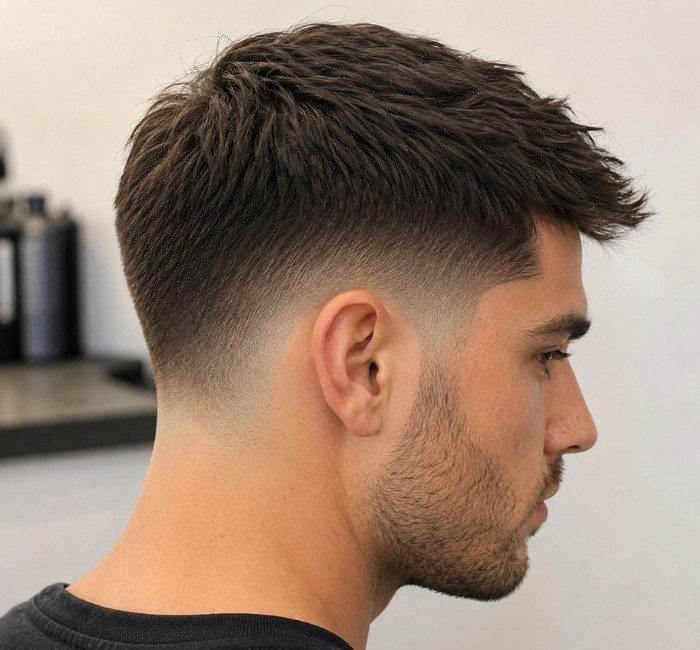
A low fade begins just above the ears and blends upward while leaving most of the sides covered. It looks tidy without strong contrast and works with crops, side parts, curls, and longer tops.
Best for: First-time fade wearers and professional settings.
Watch out for: A blend that starts too low can look disconnected around the sideburns.
Tell your barber: “Keep the fade low and preserve my top length.”
Tip: It usually grows out more quietly than a high fade.
Mid Fade
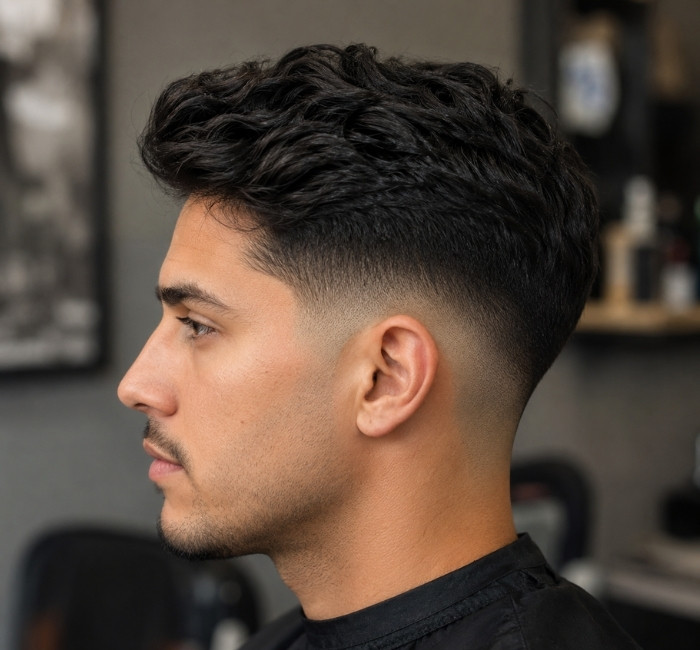
A mid fade starts around the middle of the sides, giving a noticeable transition without reaching too high toward the crown. It pairs well with textured crops, quiffs, and short pompadours.
Best for: Anyone who wants a modern, versatile shape.
Watch out for: Taking it too high can remove the side fullness you wanted.
Tell your barber: Point to where you want the blend to begin.
My take: This is a useful middle ground when you want definition without an extreme look.
High Fade
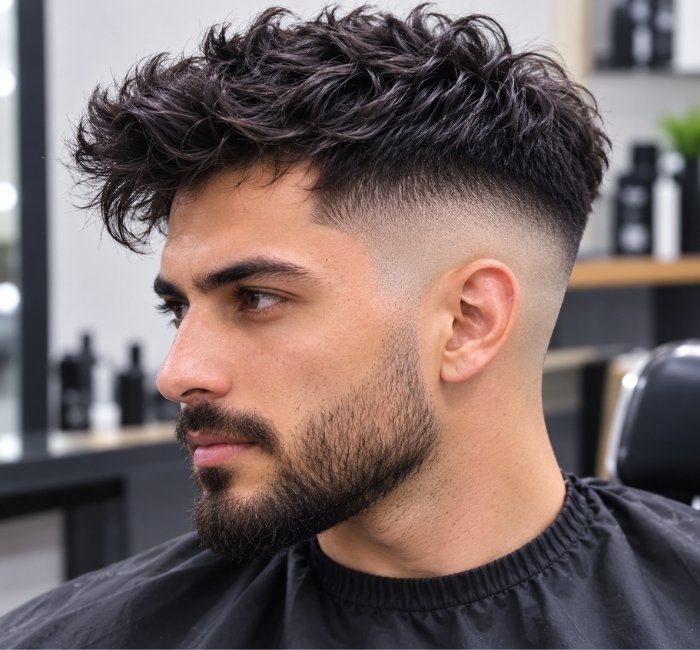
A high fade begins well above the ears, creating strong contrast between the short sides and longer top. It makes crops, curls, and high-volume styles stand out.
Best for: People who like bold, clean outlines.
Watch out for: It exposes more of the head and may highlight uneven density.
Tell your barber: Agree on the height before the blending starts, and bring a side-view photo.
Tip: Keep the top balanced with texture rather than overloading it with product.
Low Skin Fade
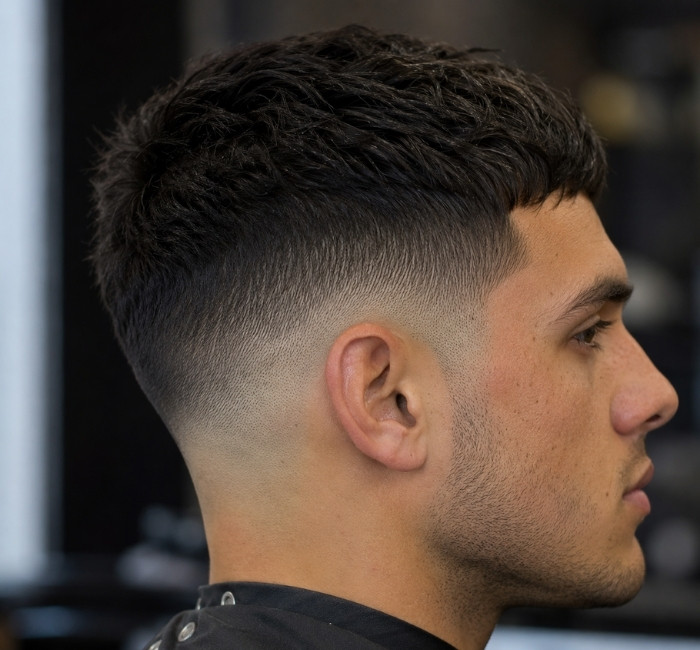
A low skin fade starts near the ears and neckline, blending from bare skin into longer hair over a short distance. The upper sides remain relatively full, so the finish is crisp but restrained.
Best for: Anyone who wants a sharp outline without a high fade.
Watch out for: The close finish shows regrowth quickly and may irritate sensitive skin.
Tell your barber: Ask whether they will use clippers, a foil shaver, or a razor. If close shaving causes bumps, the American Academy of Dermatology’s shaving advice can help you reduce irritation.
Tip: It often looks freshest in the first week.
Burst Fade
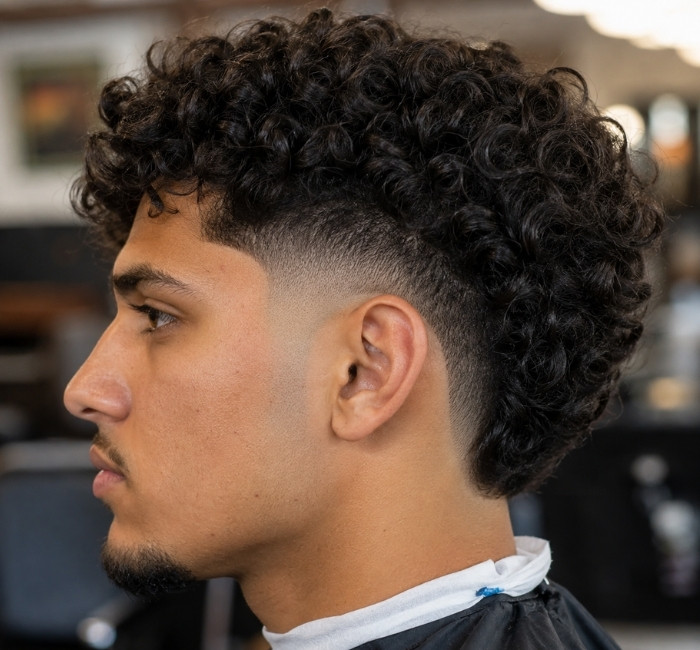
A burst fade curves around the ear in a semicircle while leaving more length at the back. It is often paired with curls, a faux hawk, or a modern mullet.
Best for: Curly hair and anyone who wants a distinctive outline.
Watch out for: If the curved area is too wide, the cut can look disconnected.
Tell your barber: Say how tight you want the curve around the ear and how much back length to keep.
My take: Plan the top and back together so the silhouette feels intentional.
Temple Fade
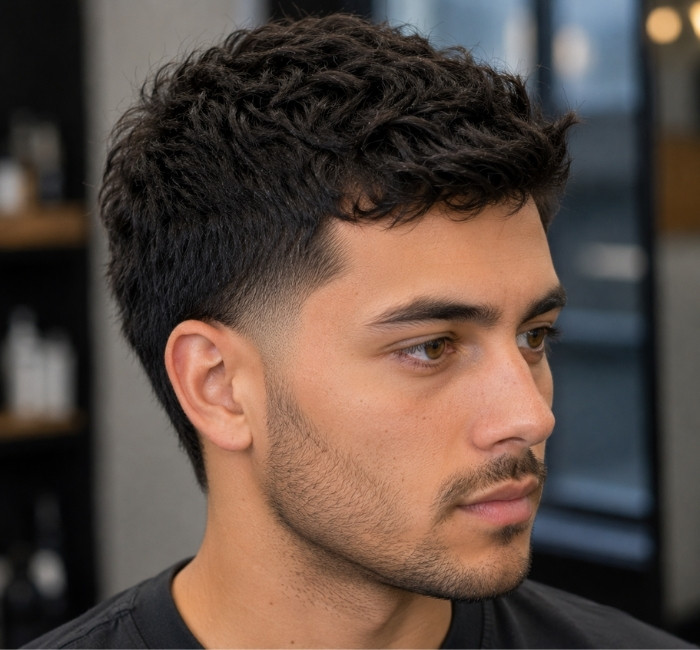
Also called a temp fade, this style focuses on the temples and sideburns while leaving more of the remaining sides intact. It sharpens the hairline around the temples while keeping the overall shape of the haircut intact.
Best for: Waves, curls, line-ups, and short crops.
Watch out for: Pushing the line too far back can make the hairline look less natural.
Tell your barber: Ask them to follow your natural hairline and specify squared or rounded sideburns.
Tip: It is a good choice if you want neat edges without frequent full-side touch-ups. It also works well when you want to keep most of your natural hair length while giving the front a cleaner finish.
Taper Fade
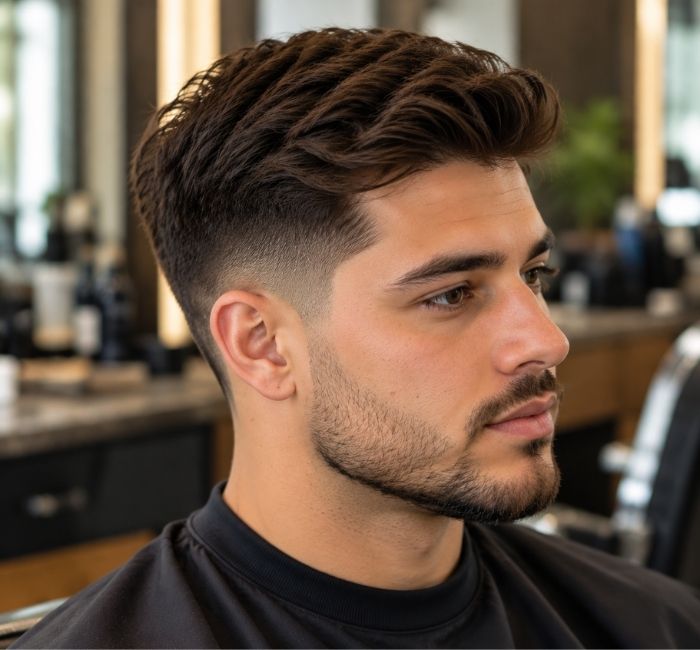
A taper fade gradually shortens the hair around the sideburns and neckline, leaving more of the sides untouched than a full fade. Because barbers use the term differently, a photo helps clarify the result.
Best for: Classic side parts, business cuts, and subtle styles.
Watch out for: It may look too conservative if you expect a full blend up the sides.
Tell your barber: Specify whether you want only the temples and neckline tapered.
In my experience: It is a low-fuss option that often needs only light styling cream or a comb.
Drop Fade
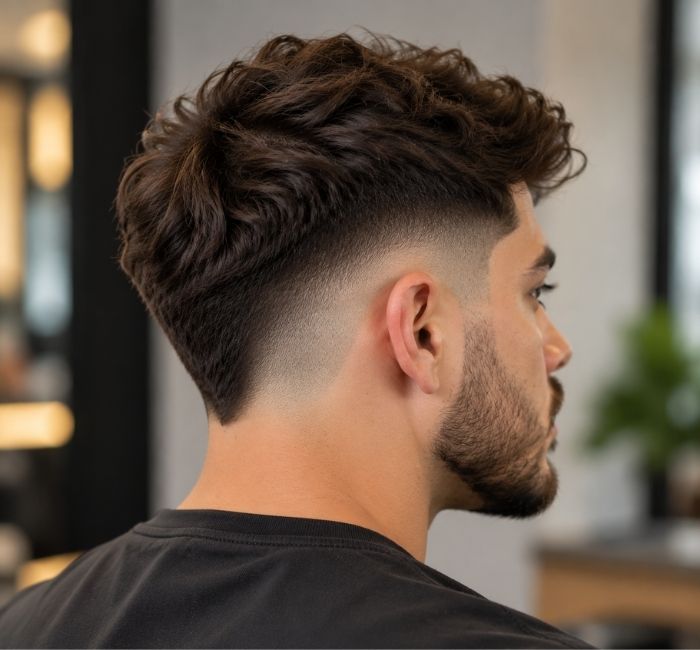
A drop fade curves down behind the ear and follows the head toward the back, rather than staying level. The dip creates a rounded profile that works with textured tops and curls.
Best for: Cuts where the back shape matters as much as the sides.
Watch out for: A dip placed too high or low can make the outline feel unbalanced.
Tell your barber: Ask for the fade to “drop” behind the ear, then check the back in a mirror before leaving.
Tip: A little texture product can stop the top looking flat. If you have a pronounced crown or a distinctive head shape, ask your barber to position the curve so it complements your natural profile.
High Skin Fade
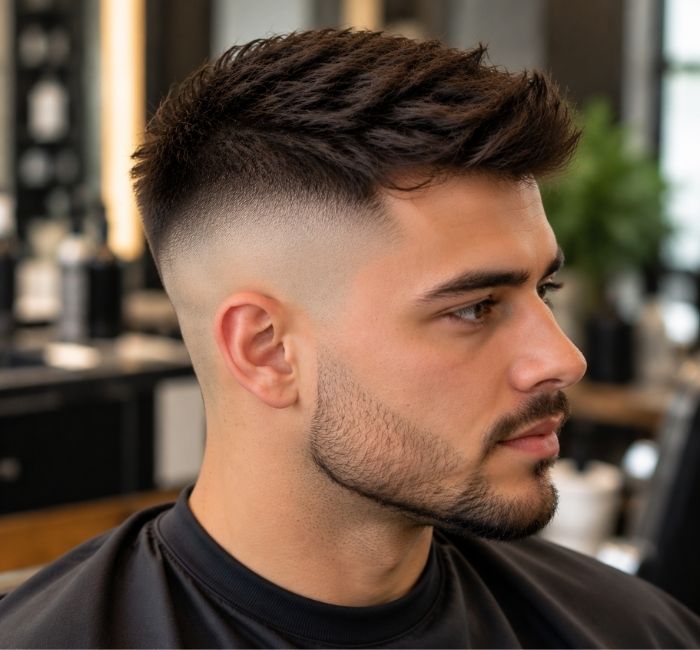
This combines a high starting point with a finish that reaches bare skin along the lower sides. The contrast is strong, leaving the top as the main feature.
Best for: People who want a bold cut and do not mind frequent upkeep.
Watch out for: Regrowth and irritation are more visible than with softer fades.
Tell your barber: Agree on the height and ask for a less-close finish if your scalp is sensitive.
Tip: A touch-up every one to two weeks may be needed to keep the outline crisp.
Shadow Fade
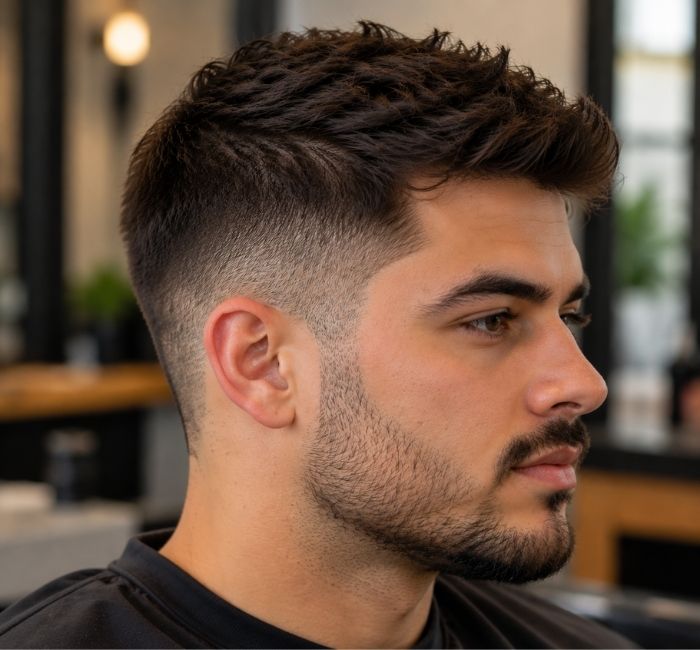
A shadow fade gradually transitions from shorter to longer hair, keeping a light layer of stubble at the bottom rather than revealing bare skin. The result is softer and often grows out more naturally.
Best for: Anyone who prefers subtle contrast or has a sensitive scalp.
Watch out for: “Shadow fade” can mean different things to different barbers.
Tell your barber: Ask for visible stubble at the bottom, not a skin-level finish, and show a photo.
My take: It gives you the structure of a fade without the stark look. It is also worth considering if you want a gradual finish that does not make scalp visibility the main feature of your haircut.
Faux Hawk Fade
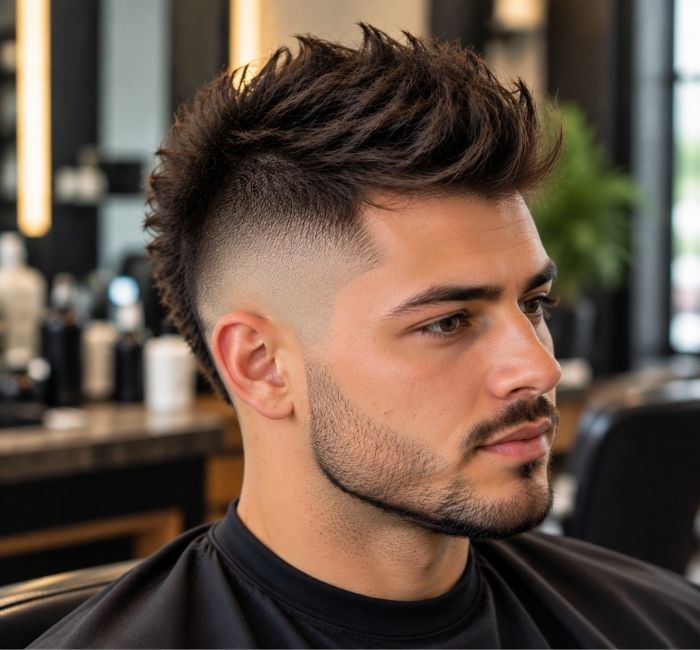
A faux hawk fade leaves the centre longer while the sides become shorter, creating a raised strip of texture without the shaved sides of a traditional mohawk. It can be messy and understated or more defined.
Best for: Thick, wavy, or curly hair and expressive styles.
Watch out for: Too much height can be harder to manage in formal settings.
Tell your barber: Ask for a gradual faux hawk if you need a style that works for work and weekends.
Tip: Use a small amount of matte paste to push the centre upward and inward.
High-Top Fade
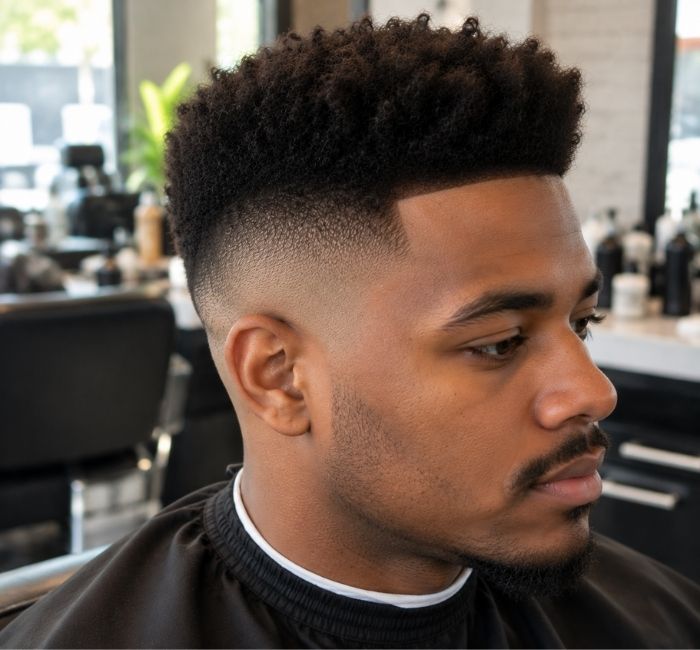
A high-top fade keeps the hair on top taller, shaped flat, rounded, or textured, while the sides are faded short. The top silhouette is the focus, so texture and density should guide the shape.
Best for: Coily or tightly textured hair and anyone who likes a structured look.
Watch out for: The top can lose its shape as it grows.
Tell your barber: Agree on the top’s height and outline before cutting the sides.
Tip: Regular trims and a suitable moisturising product help keep the shape neat.
Quick Comparison Table
| Fade style | Where it starts or changes | Skin-level finish? | Best match | Typical touch-up |
| Low fade | Just above ears | Usually no | Classic, subtle cuts | 3–4 weeks |
| Mid fade | Middle of sides | Optional | Crops and quiffs | 2–3 weeks |
| High fade | High on sides | Optional | Bold, high-contrast tops | 2–3 weeks |
| Low skin fade | Low around ears and nape | Yes | Crisp but restrained outline | 1–2 weeks |
| Burst fade | Curves around ear | Optional | Curls, faux hawks, mullets | 2–3 weeks |
| Temple fade | Temples and sideburns | Optional | Waves, curls, short crops | 2–4 weeks |
| Taper fade | Temples and neckline | Usually no | Classic professional styles | 3–4 weeks |
| Drop fade | Dips behind the ear | Optional | Rounded profiles and curls | 2–3 weeks |
| High skin fade | High on sides | Yes | Strong contrast, short tops | 1–2 weeks |
| Shadow fade | Soft blend with stubble | No | Natural-looking finishes | 2–3 weeks |
| Faux hawk fade | Depends on chosen fade | Optional | Raised, textured centre | 2–3 weeks |
| High-top fade | Sides below shaped top | Optional | Structured, taller tops | 2–3 weeks |
These are practical estimates, not rules. Growth rate, preferred sharpness, and budget all affect how often you need a trim.
What to Discuss Before Your Appointment
Bring a photo that shows the side and, ideally, the back. A front view rarely explains where the fade begins or how it curves behind the ears. Tell your barber what you like about the example height, softness, top length, or hairline rather than expecting an identical result.
Agree on three details before the clippers start: fade height, how close the shortest section should be, and how much length to leave on top. Mention cowlicks, thin patches, scars, or irritation from close cutting. If you wear a helmet or headphones most days, say so; comfort may influence the shape.
I’d recommend starting conservatively if you are unsure. You can go shorter next time, but you cannot restore length immediately. Before leaving, check both sides and the back, and ask your barber to demonstrate a simple way to style the top at home.
Common Mistakes to Avoid
Choosing Only From a Photo
Hair density, curl pattern, and head shape change how a cut looks. Use photos to explain details, then let your barber adapt them to your hair.
Going Too High Too Soon
A high fade gives a bolder contrast by removing more hair from the sides. If you’re trying a fade for the first time, choose a lower starting point and confirm the height with your barber before proceeding.
Ignoring Skin Sensitivity
Close cutting is not comfortable for everyone. Let your barber know if shaving tends to leave your skin irritated or cause ingrown hairs. The NHS has useful advice on ingrown hairs; seek medical help if the area becomes very painful, hot, swollen, or looks infected.
Forgetting the Top
Even a well-blended fade can disappoint if the top is difficult to manage. Ask your barber to balance both areas and choose a style that fits your daily grooming routine.
Waiting Too Long Between Trims
Skin fades show regrowth sooner than soft blends. If frequent visits do not suit your schedule or budget, choose a lower fade or taper that grows out more gradually.
Frequently Asked Questions
Which fade is best for beginners?
A low fade or taper is ideal for beginners because it maintains more length on the sides for a subtle, balanced look. Once you’re comfortable with the style, you can experiment with a mid or high fade.
How often should I fade?
Many people refresh a skin fade every one to two weeks and a softer low fade or taper every three to four weeks. Your growth rate and preferred finish matter most.
Can I get a fade with curly hair?
Absolutely. Curly hair pairs well with low, temple, burst, drop, and high fades. Tell your barber how you prefer to style your curls, whether you want a rounded finish, a fringe, or more volume on top.
Is a skin fade the same as a bald fade?
Both terms usually describe a fade that tapers down to bare skin. Let your barber know whether you prefer a smooth shaved finish or closely trimmed hair.
Which fade looks most professional?
A low fade or taper creates a refined look, especially when paired with a side part or textured crop. A smooth transition and easy maintenance matter more than the haircut’s name.
Can a fade make thinning hair look thicker?
It may make the overall shape look more balanced, but it cannot increase density. A low or shadow fade creates softer contrast; ask your barber to work with your natural coverage.
Conclusion
My biggest takeaway is that choosing the right fade is about more than appearance; it’s about finding a style that complements your hair texture, facial features, and daily routine. A low fade or taper offers a clean, understated finish, while high and skin fades deliver a bolder look that requires more frequent maintenance.
Styles such as burst, temple, drop, faux hawk, and high-top fades offer even more ways to express your personal style.
Ultimately, be clear with your barber about the look you want and how much time you’re willing to spend maintaining it. A skilled barber can adapt the cut to your natural hair and help you choose a finish that feels comfortable and suits you.
The best fade isn’t simply the one that looks impressive in the barbershop mirror; it’s the one you feel confident wearing every day.



Leave a Reply