
A quiff is a men’s hairstyle with shorter sides and longer hair on top, styled upward and slightly back for volume and shape. In this guide, you’ll discover different quiff styles, who they suit best, and simple tips for choosing and styling the right one.
Quick Comparison of Popular Quiff Styles
| Quiff Style | Best Hair Type | Hair Length | Styling Time | Maintenance |
|---|---|---|---|---|
| Classic Quiff | Straight/Wavy | Medium | 5–10 min | Medium |
| Short Quiff | Most types | Short | 3–5 min | Low |
| Textured Quiff | Fine/Medium | Medium | 5–8 min | Medium |
| Curly Quiff | Curly/Wavy | Medium | 5–10 min | Medium |
| Quiff Fade | Straight/Wavy | Medium | 5–10 min | High |
Below are 30 quiff hairstyles for men, with guidance on who each style suits, what to ask your barber, how to style it, and how much maintenance it requires.
30 Quiff Hairstyles for Men
1. Classic Quiff
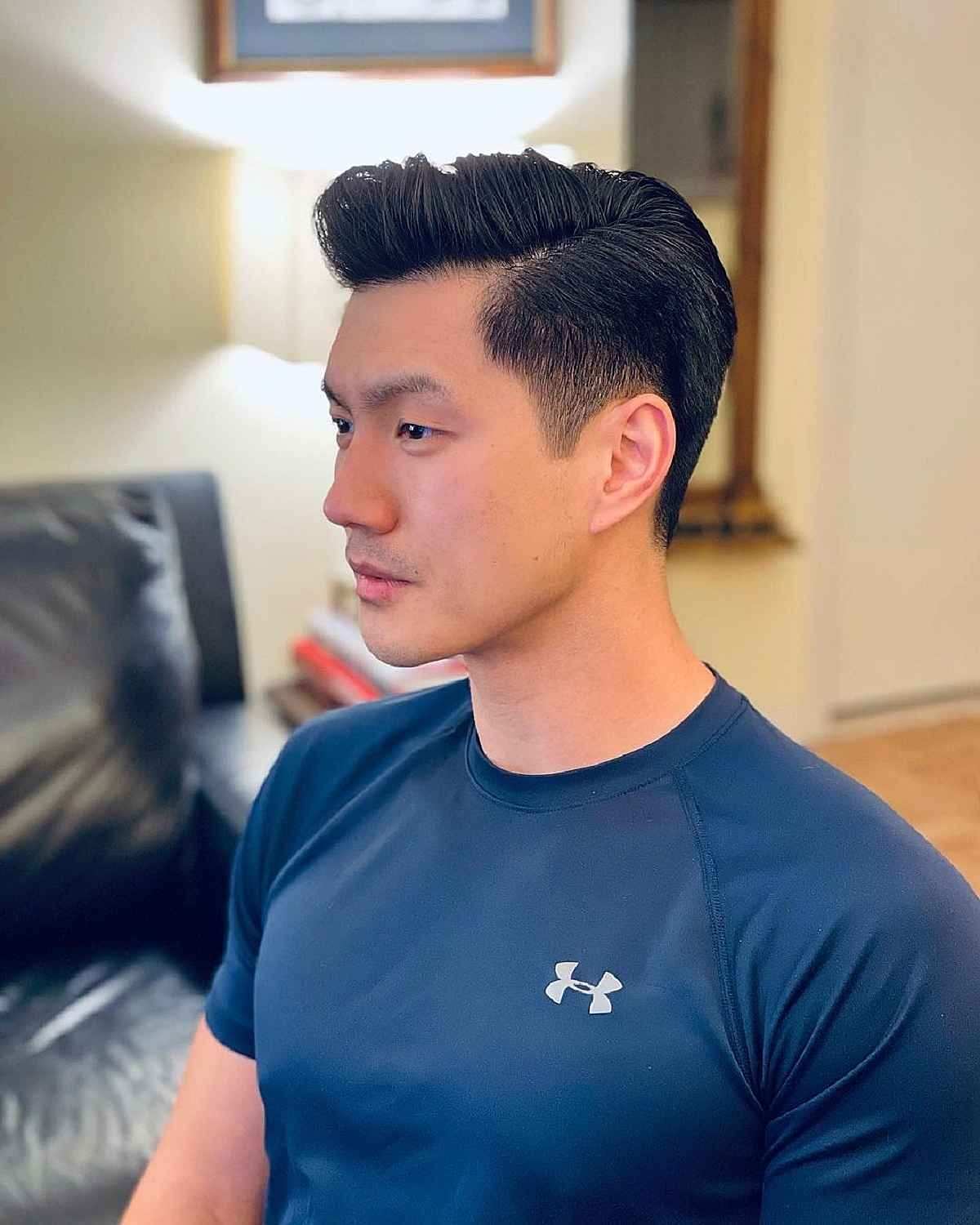
The classic quiff combines shorter sides with longer hair on top, with the front styled upward and slightly back for a clean, balanced shape. It has a polished finish and works well for men who want a structured hairstyle that still feels natural.
- Best For: Straight or slightly wavy hair; professional and formal settings
- Ask Your Barber: Keep enough length on top for lift, with shorter tapered sides and a clean blend around the temples and neckline.
- How to Style: Blow-dry the front upward using a round brush, then apply a small amount of medium-hold pomade for control and shape.
2. Modern Quiff
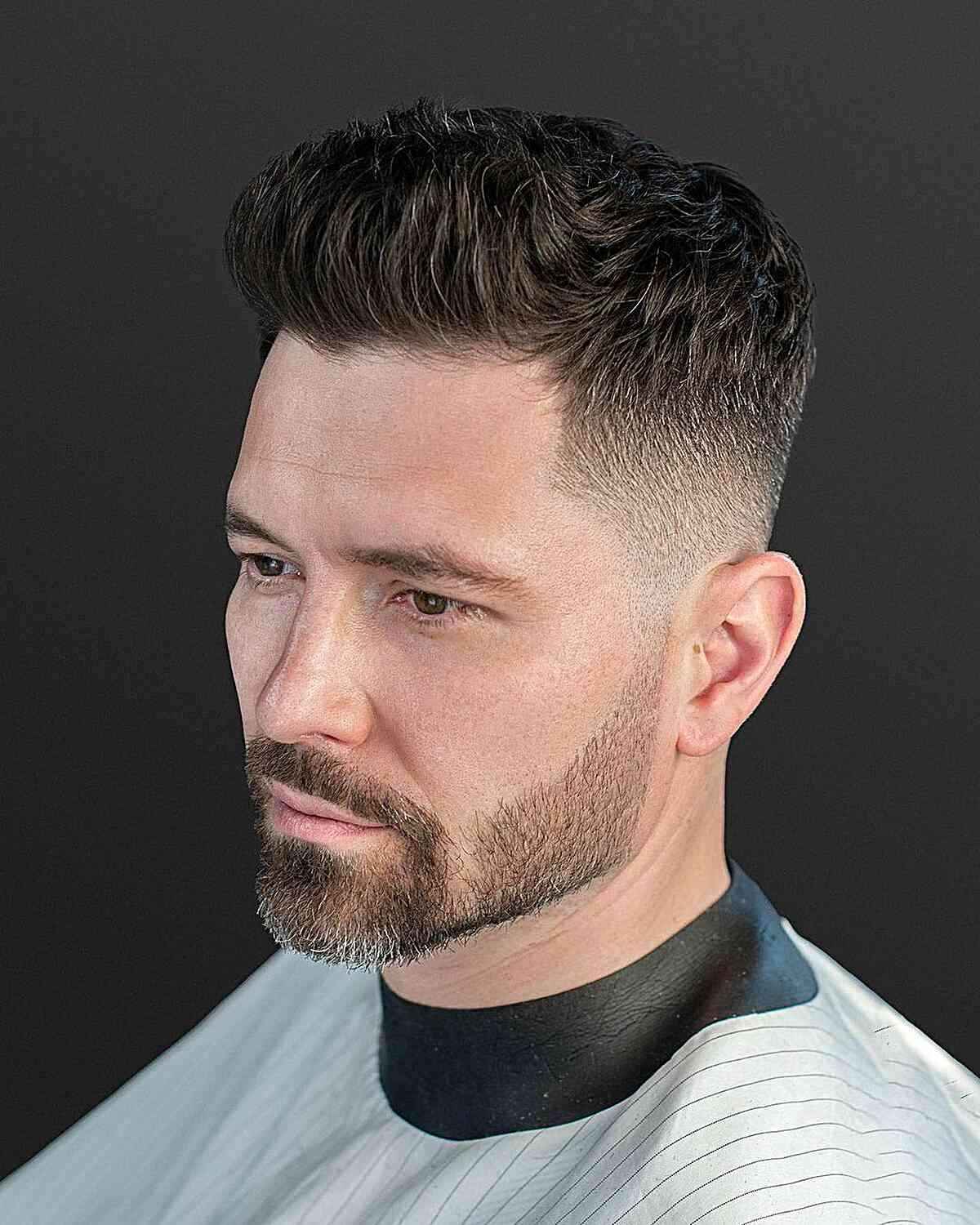
The modern quiff pairs faded or closely tapered sides with a fuller, more textured top. It keeps the height of a traditional quiff but adds more movement and a less polished finish, making it suitable for casual and everyday wear.
- Best For: Thick, wavy, or medium-density hair
- Ask Your Barber: Keep extra length through the front and top, add texture for movement, and blend the sides with a low or mid fade.
- How to Style: Apply a lightweight texturizing paste to damp hair, blow-dry the front upward, then use your fingers to shape and separate the top.
- Maintenance: Medium to high; the fade needs regular cleanup, while the textured top is more forgiving as it grows.
3. Messy Quiff
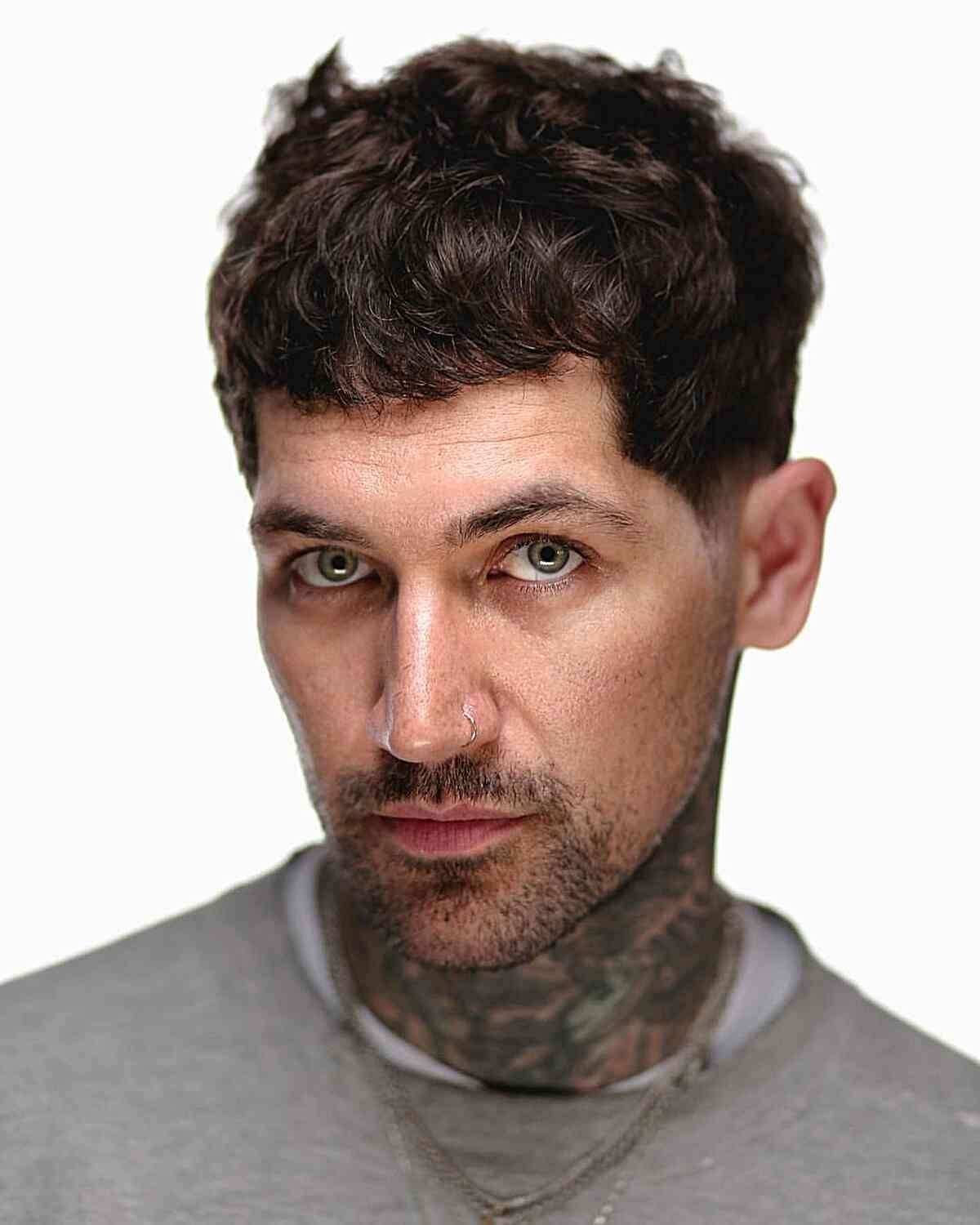
The messy quiff keeps the height of a traditional quiff but uses a looser, more textured finish. The top is styled upward with natural separation, making it a good option for men who want volume without a highly polished look.
- Best For: Wavy, thick, or medium-density hair; casual everyday styles
- Ask Your Barber: Keep enough length on top for movement, add light texture through the top, and keep the sides shorter with a taper or soft fade.
- How to Style: Apply sea salt spray to damp hair, blow-dry while lifting the front, then work in a small amount of matte clay and shape with your fingers.
- Maintenance: Medium; the textured top grows out fairly well, but the sides may need regular trimming to keep the haircut balanced.
4. Textured Quiff
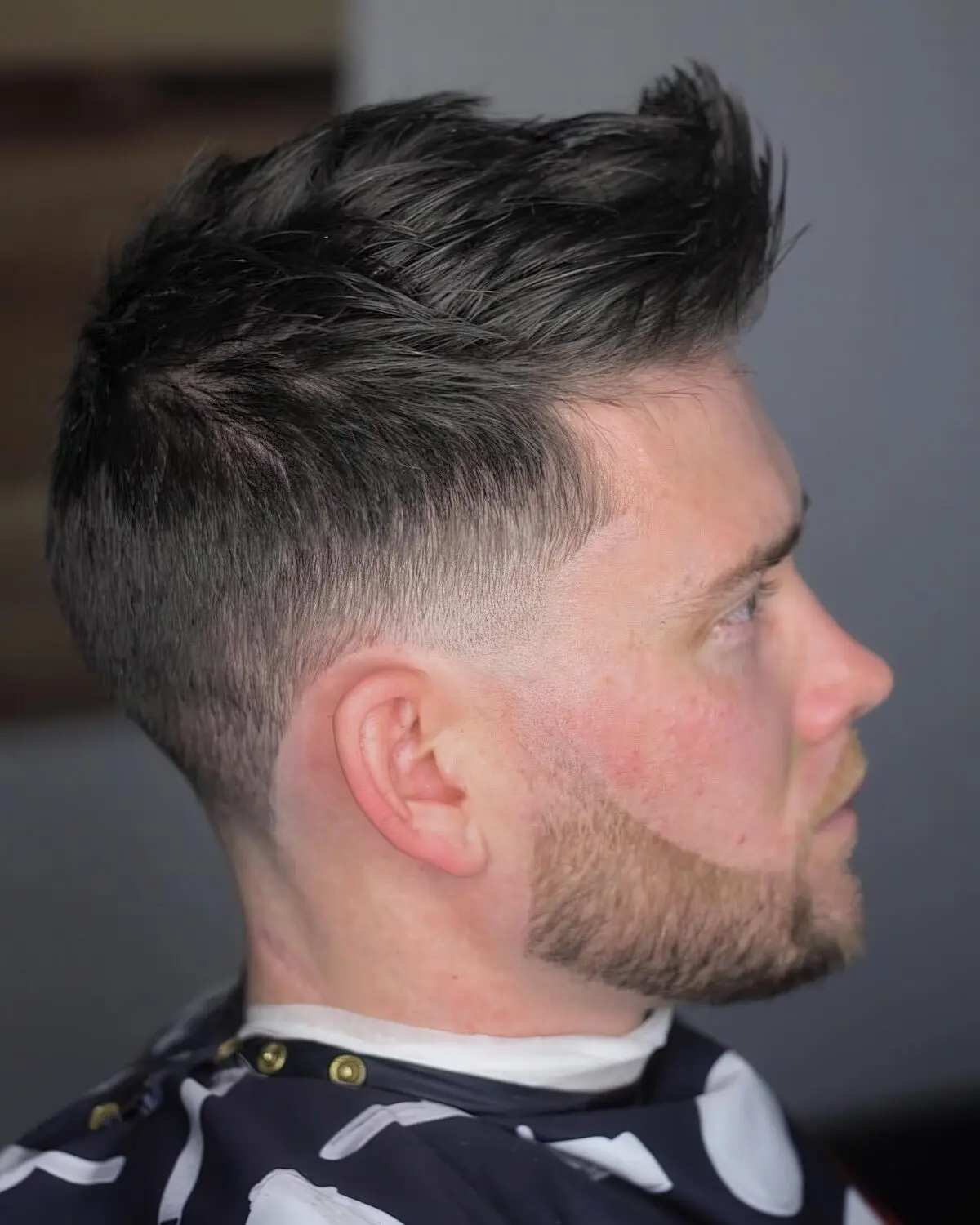
The layered quiff uses different lengths through the top to create more movement, shape, and natural volume. Compared with a one-length top, the added layers help the hairstyle look fuller and less heavy while keeping the front lifted.
- Best For: Medium-to-thick straight or wavy hair; casual to semi-formal styles
- Ask Your Barber: Keep medium length on top, add soft layers for movement, and leave enough length at the front to create lift.
- How to Style: Apply a lightweight texturizing cream to damp hair, blow-dry the front upward, then use your fingers to separate the layers and shape the quiff.
- Maintenance: Medium; the layers grow out naturally, but regular trims help prevent the top from becoming too heavy.
5. Short Quiff
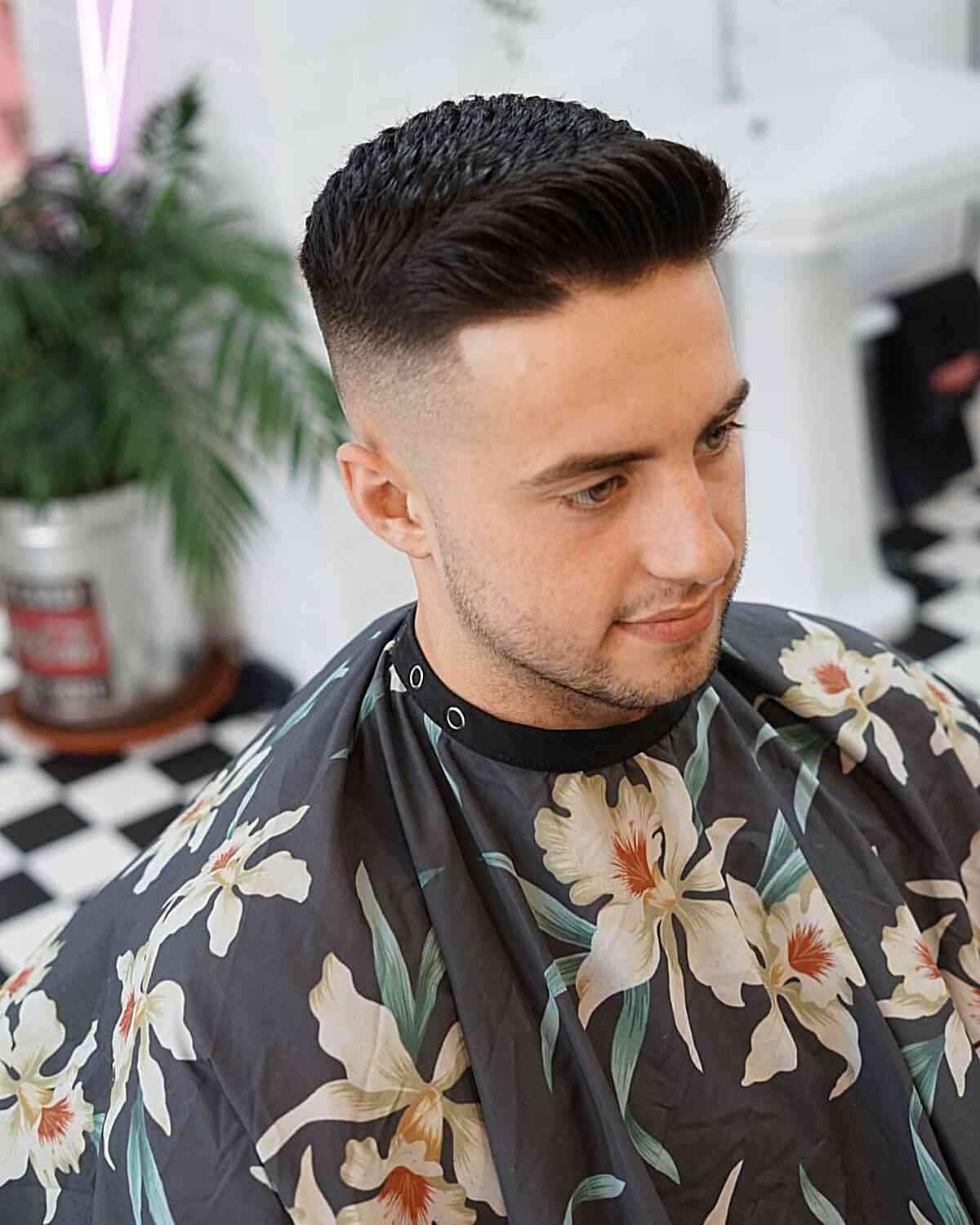
The short quiff keeps the signature lift at the front while using less length on top, making it easier to style and maintain. It works well for men who want a neat, structured look without spending much time on their hair each day.
- Best For: Straight, fine, or medium-density hair; professional and everyday styles
- Ask Your Barber: Keep the top short with slightly more length at the front, and taper or fade the sides for a clean shape.
- How to Style: Work a small amount of matte clay through damp or dry hair, lift the front gently with your fingers or a comb, and shape it back into place.
- Maintenance: Low to medium; the shorter length is easy to manage, though regular trims help keep the front and sides looking sharp.
6. Medium Quiff
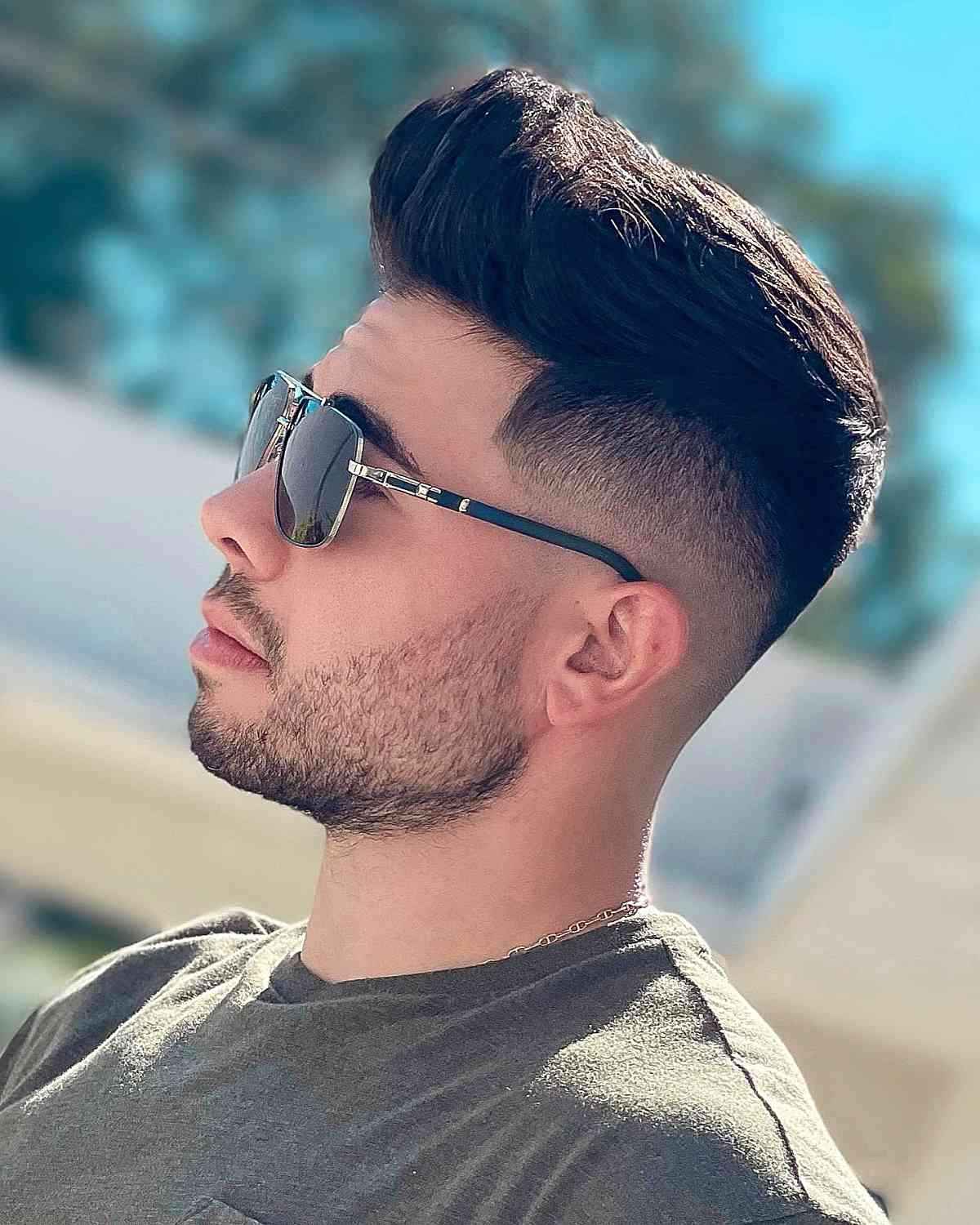
The medium quiff sits between short and long styles, giving you enough length to create noticeable volume without making the haircut difficult to manage. It offers a balanced look that can be styled neatly for work or with more texture for casual wear.
- Best For: Straight, wavy, or medium-density hair; versatile everyday styling
- Ask Your Barber: Keep medium length through the top with extra length at the front, and blend the sides with a taper or low fade.
- How to Style: Apply a light styling cream to damp hair, blow-dry the top upward for volume, then shape the front with your fingers for a natural finish.
- Maintenance: Medium; regular trims help control the length and keep the sides balanced with the fuller top.
7. Long Quiff
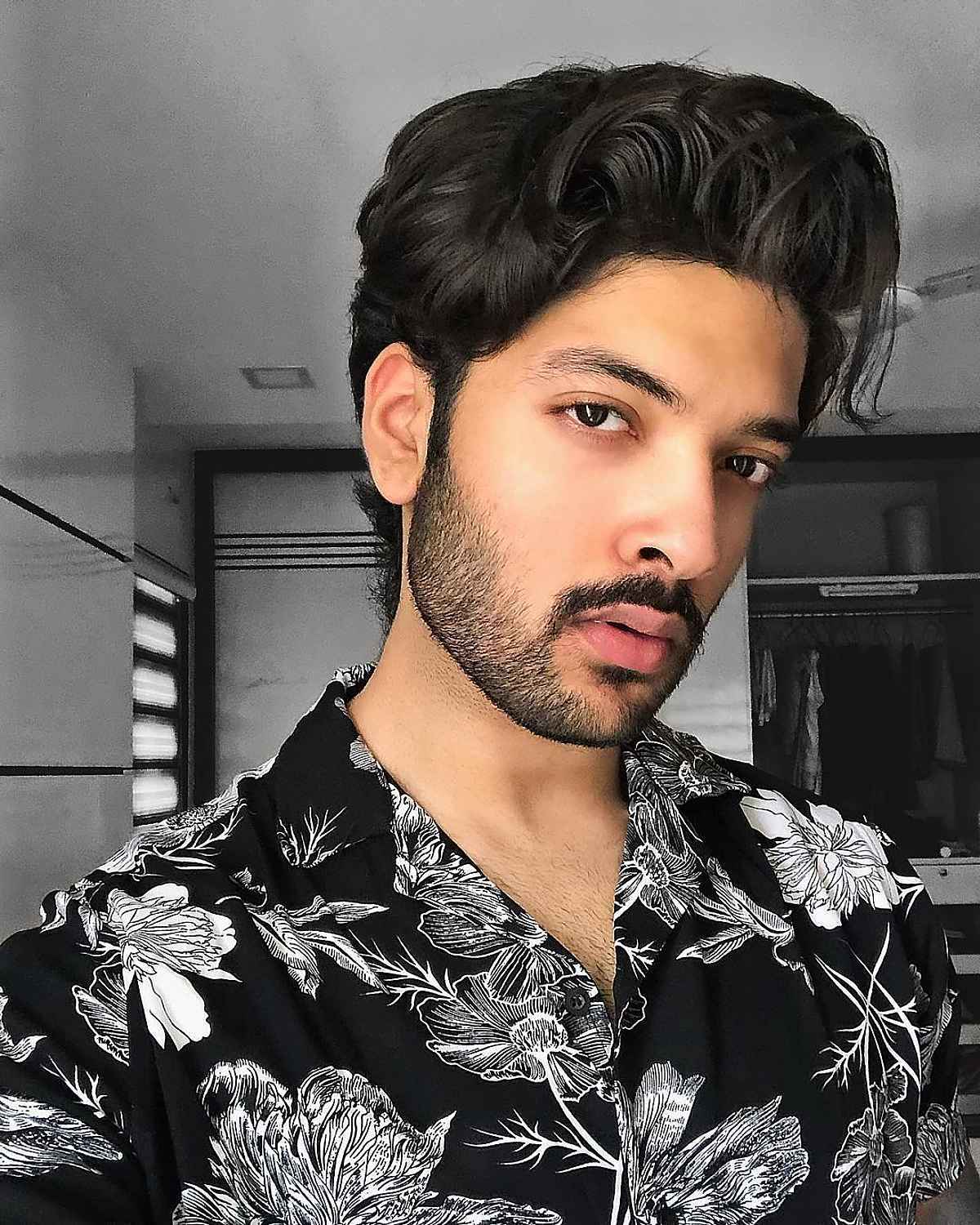
The long quiff keeps extra length through the top and front to create more height, movement, and visual impact. Shorter sides add contrast and help the fuller top stand out without making the style look too heavy.
- Best For: Thick, wavy, or medium-to-high density hair; bold everyday or statement styles
- Ask Your Barber: Leave plenty of length through the front and top, add light internal texture to control bulk, and keep the sides shorter with a taper or fade.
- How to Style: Apply a lightweight pre-styler or strong-hold cream to damp hair, blow-dry from the roots while lifting the front, then shape the quiff in sections for controlled height.
- Maintenance: Medium to high; longer hair needs more styling time, and regular trims help prevent the top from becoming too bulky or losing its shape.
8. Quiff with Beard
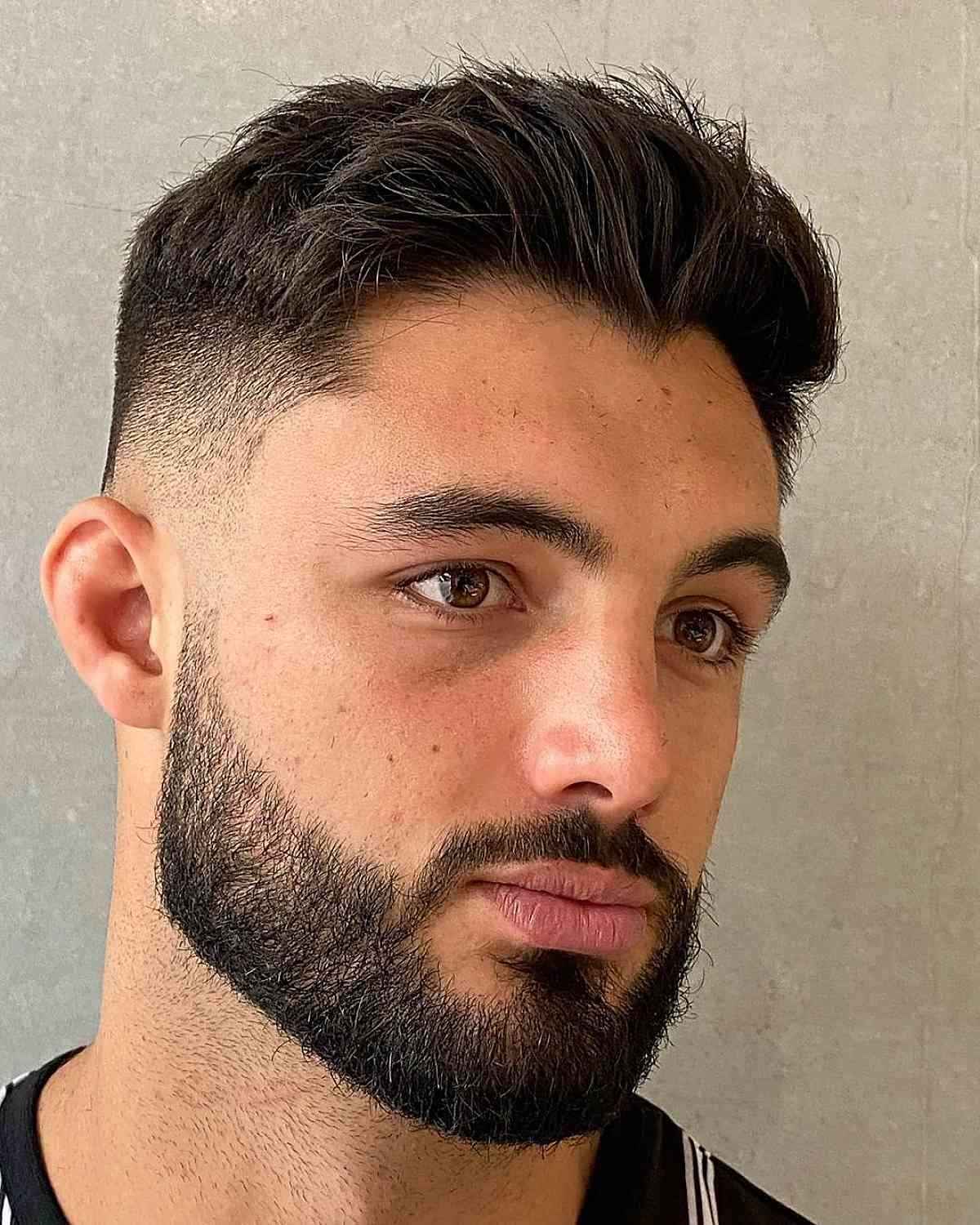
A quiff paired with a well-groomed beard creates a balanced look by combining volume on top with stronger definition around the jaw. The contrast works best when both the haircut and beard are kept neat rather than overly bulky.
- Best For: Most hair types; men who prefer a more defined, mature look
- Ask Your Barber: Keep enough length on top for a quiff, taper or fade the sides, and blend the sideburn area smoothly into the beard.
- How to Style: Style the quiff with your usual product and blow-dry technique, then trim and shape the beard so its lines complement the haircut.
- Maintenance: Medium to high; both the quiff and beard need regular shaping to keep the overall look clean and balanced.
9. Undercut Quiff
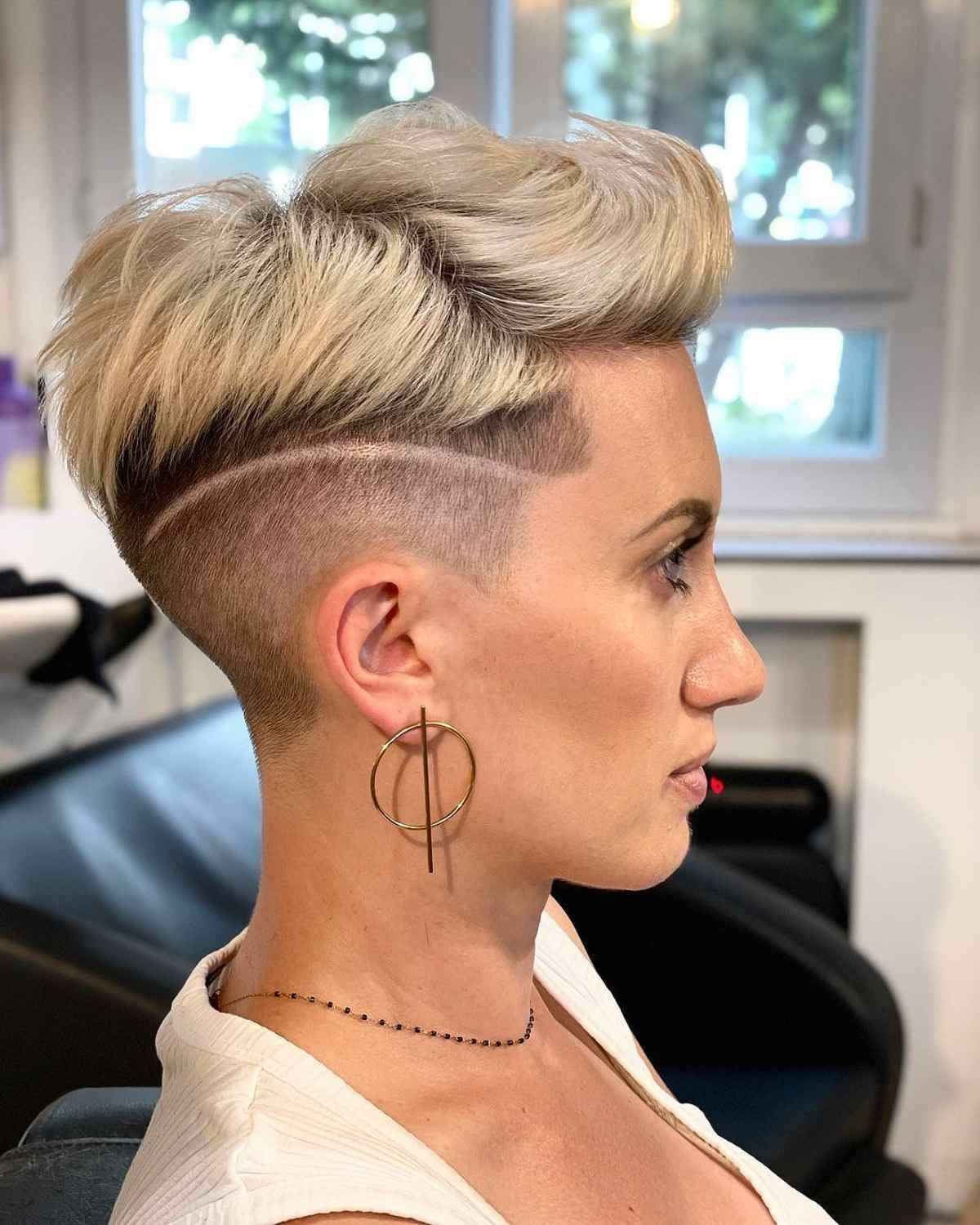
The undercut quiff creates strong contrast by pairing longer, voluminous hair on top with very short sides that are left more disconnected than a traditional fade. The result is sharper and more dramatic, making the top the main focus of the haircut.
- Best For: Thick, wavy, or medium-to-high density hair; bold and fashion-forward styles
- Ask Your Barber: Keep the top long enough for volume and leave a clear contrast between the top and the short undercut sides rather than blending them heavily.
- How to Style: Apply a small amount of clay or pomade to damp hair, blow-dry the front upward for height, then shape the top with your fingers or a comb.
- Maintenance: High; the short sides need frequent cleanup, and the longer top requires regular styling to maintain the intended contrast.
10. Wavy Quiff
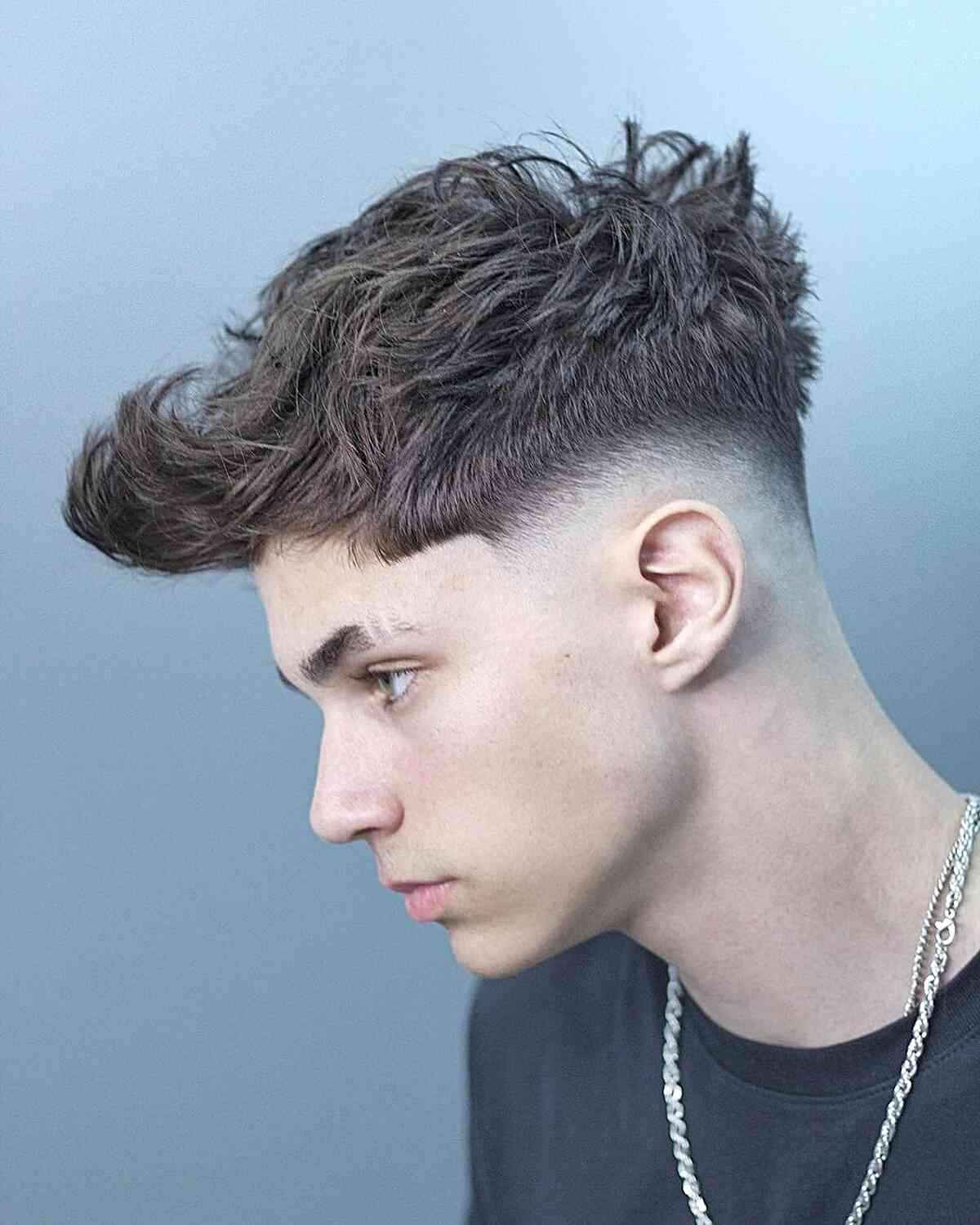
The wavy quiff works with natural texture instead of trying to smooth it out, giving the hairstyle more movement and a softer finish. The front is lifted and pushed slightly back while the waves add shape through the top.
- Best For: Naturally wavy, medium-density, or thick hair
- Ask Your Barber: Keep enough length on top to show the natural wave pattern, add light texture if needed, and keep the sides shorter with a taper or soft fade.
- How to Style: Apply sea salt spray or a lightweight curl-enhancing product to damp hair, diffuse or blow-dry while lifting the front, then shape the quiff with your fingers.
- Maintenance: Medium; the style is fairly forgiving as it grows, but regular trims help control bulk and keep the sides balanced.
11. Curly Quiff
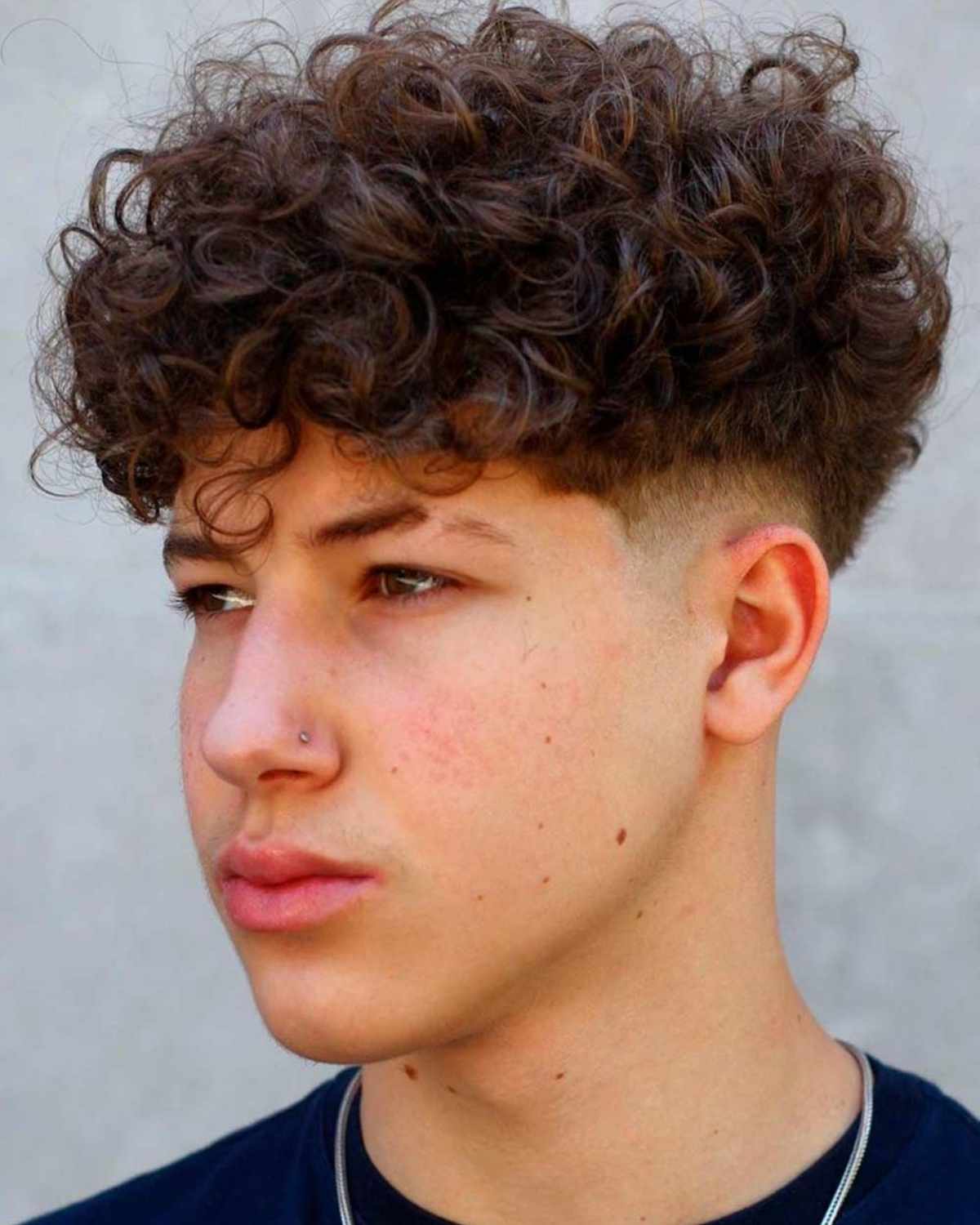
The curly quiff keeps the natural curl pattern through the top while adding extra lift at the front. Instead of flattening the curls, the style uses their natural volume and texture to create a fuller, more defined shape.
- Best For: Curly or coily hair with enough length at the front
- Ask Your Barber: Keep extra length through the front and top to preserve the curl pattern, and taper or fade the sides without removing too much bulk from the crown.
- How to Style: Apply a lightweight curl cream to damp hair, diffuse on low heat, then lift and shape the front curls gently with your fingers.
- Maintenance: Medium; regular trims help control bulk and keep the sides neat while allowing the curls on top to hold their shape.
12. Quiff with Skin Fade
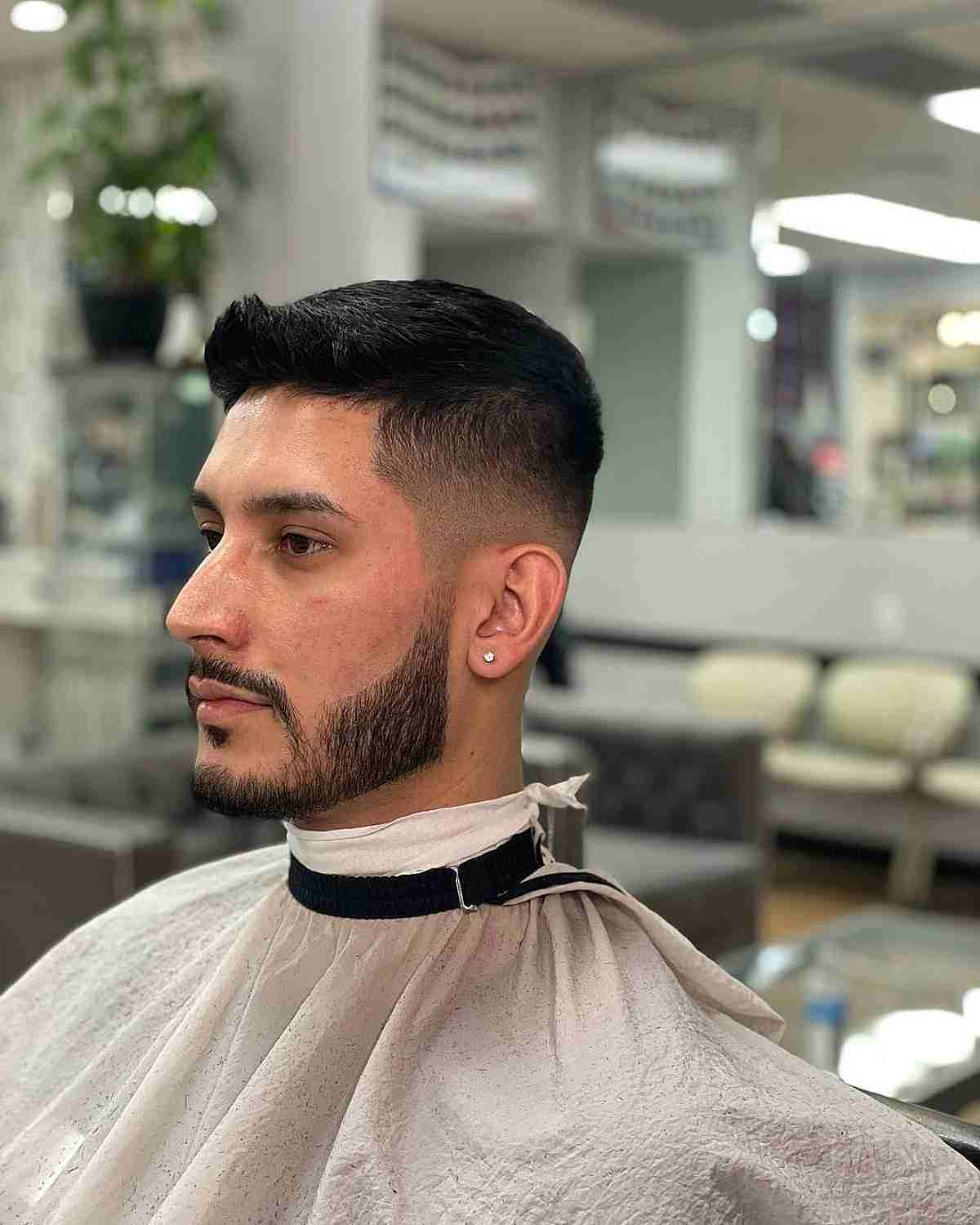
The skin fade quiff combines a voluminous top with sides that fade down to the skin, creating strong contrast and a sharp, modern finish. The clean sides make the height and texture on top stand out more clearly.
- Best For: Thick, straight, or wavy hair; men who prefer a bold, high-contrast style
- Ask Your Barber: Keep enough length on top to build volume, then blend the sides into a skin fade while keeping the transition clean around the temples and back.
- How to Style: Apply a small amount of matte clay to damp or dry hair, blow-dry the front upward, then shape the top with your fingers for controlled volume.
- Maintenance: High; the skin fade loses its sharpness quickly, so frequent trims are usually needed to maintain the contrast.
13. Quiff with Low Fade
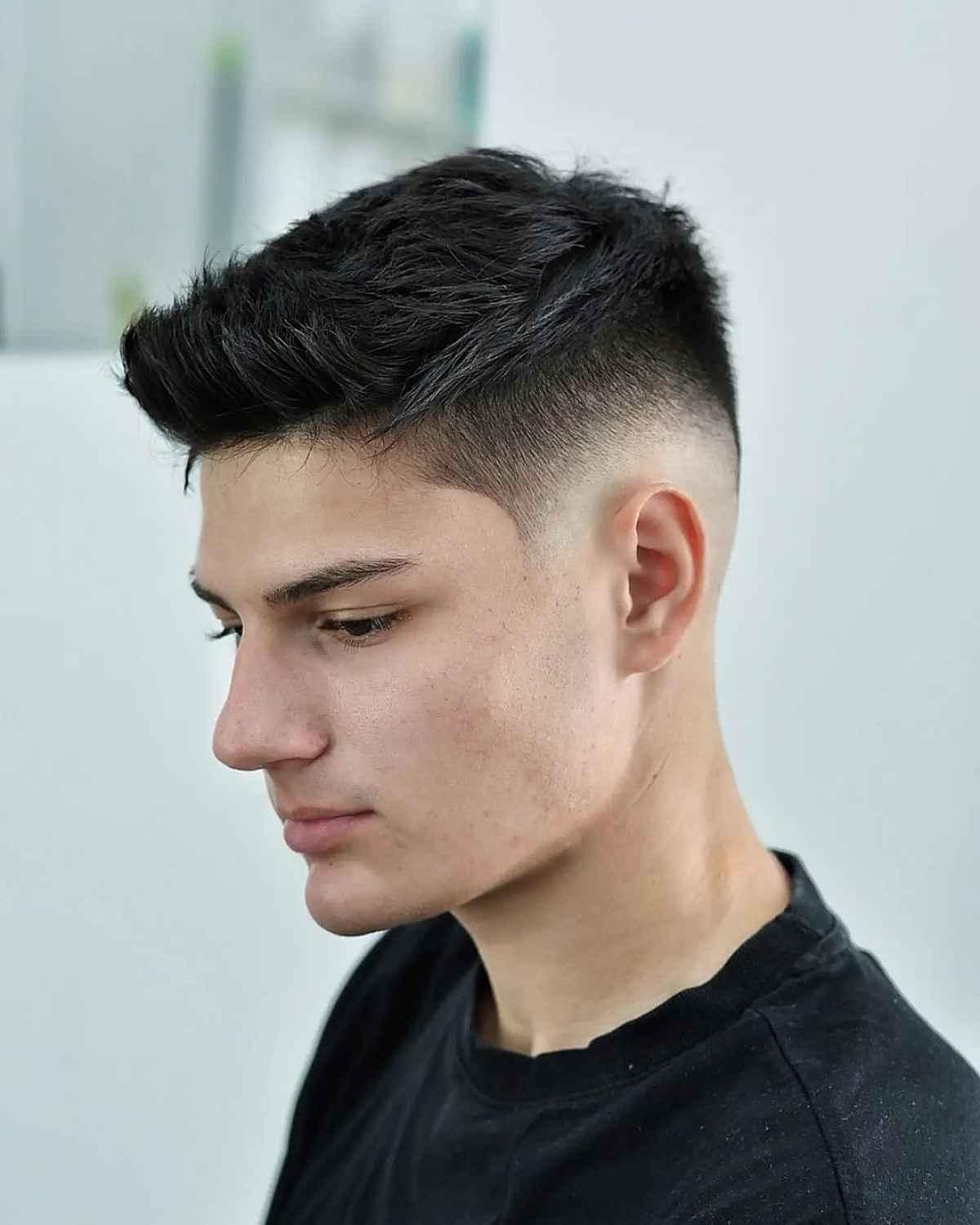
The low fade quiff keeps the contrast more subtle by starting the fade close to the ears and neckline. It gives the haircut a clean, modern shape without making the sides look too dramatic, which makes it easier to wear in professional settings.
- Best For: Straight, wavy, or medium-density hair; professional and everyday styles
- Ask Your Barber: Keep enough length on top for lift and start the fade low around the ears and neckline for a softer transition.
- How to Style: Apply a light-hold cream or paste, blow-dry the front gently upward, then shape the top with your fingers for a natural finish.
- Maintenance: Medium; the low fade grows out more softly than a skin fade, but regular trims help keep the sides neat.
14. Quiff with High Fade
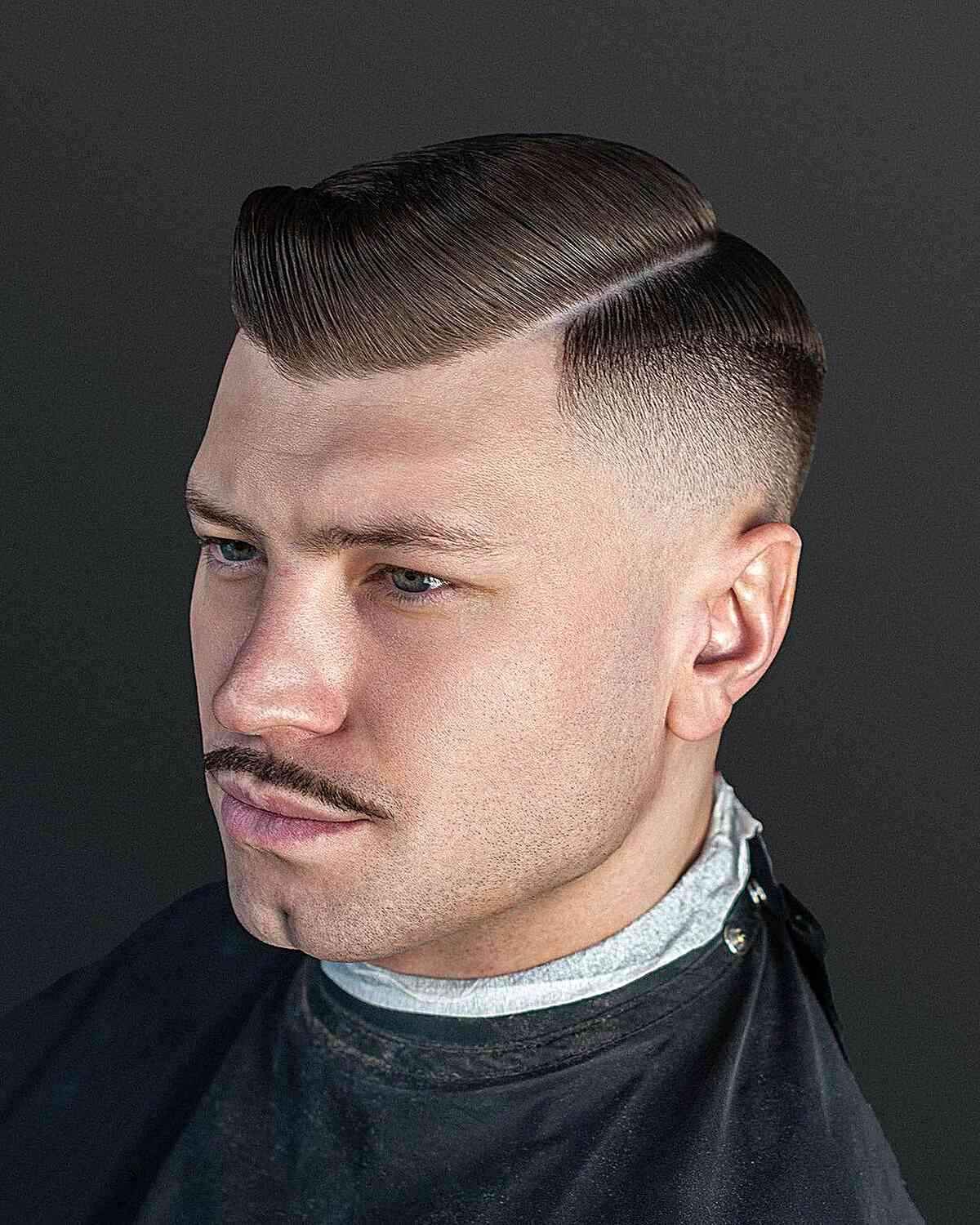
The high fade quiff creates strong contrast by starting the fade higher on the sides and leaving more visual weight on top. This makes the quiff look sharper and more dramatic than lower-fade versions.
- Best For: Thick, straight, or wavy hair; bold, high-contrast styles
- Ask Your Barber: Keep enough length on top for height, then start the fade high on the sides and blend it cleanly into the top.
- How to Style: Apply a medium- to strong-hold product, blow-dry the front upward for volume, then shape the top with your fingers or a comb.
- Maintenance: High; the fade needs frequent cleanup to keep the contrast sharp, usually every few weeks depending on how fast your hair grows.
15. Quiff with Mid Fade
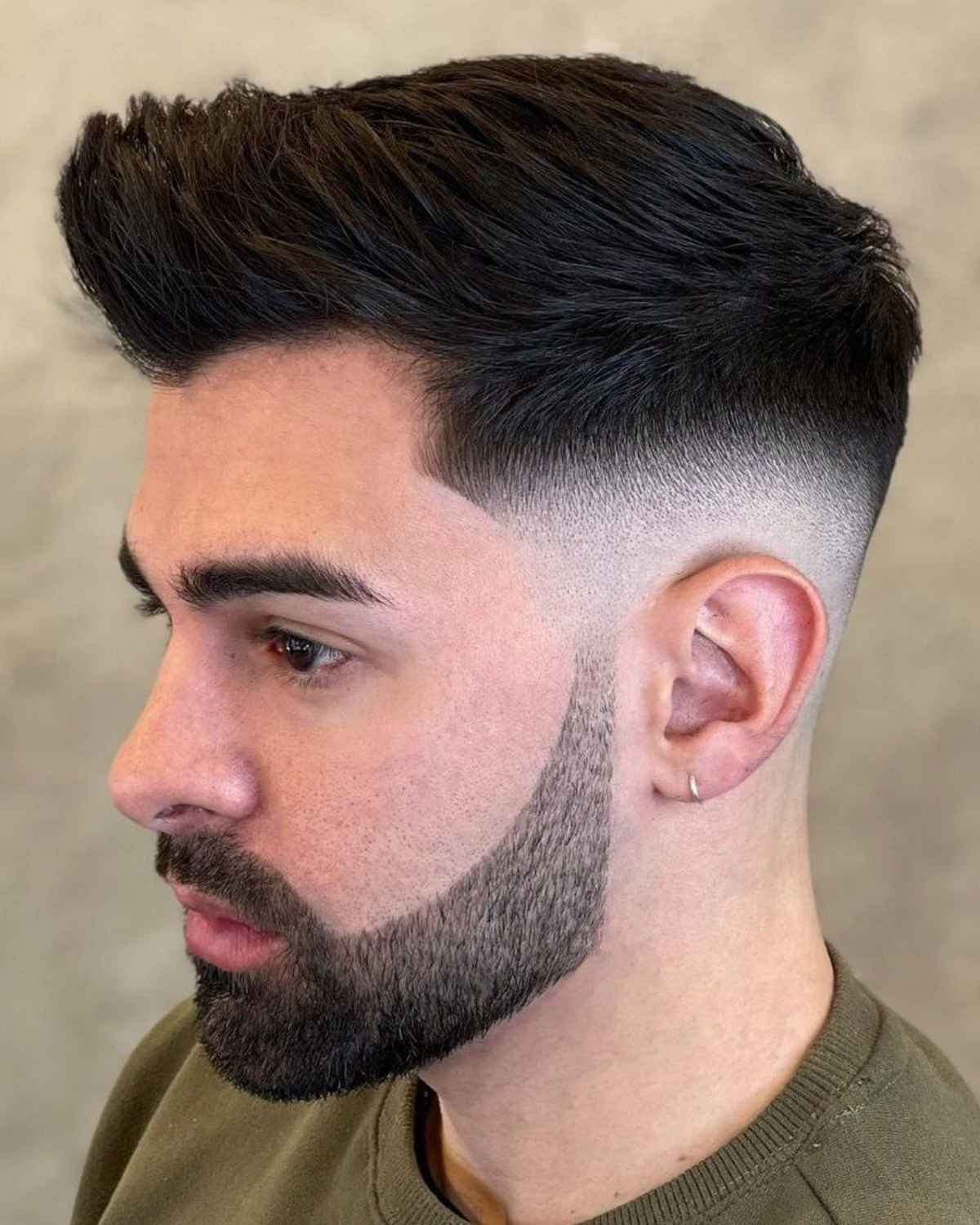
The mid fade quiff creates a balanced contrast by starting the fade around the middle of the sides. It sits between the subtle look of a low fade and the sharper effect of a high fade, making it versatile for both casual and professional settings.
- Best For: Straight, wavy, or medium-to-thick hair; versatile everyday styles
- Ask Your Barber: Keep enough length on top for volume and start the fade around the middle of the sides, blending it smoothly into the longer top.
- How to Style: Apply a small amount of medium-hold clay, blow-dry the front upward for volume, then shape the top with your fingers.
- Maintenance: Medium to high; regular trims help keep the fade clean and maintain the balanced contrast.
16. Quiff with Taper Fade
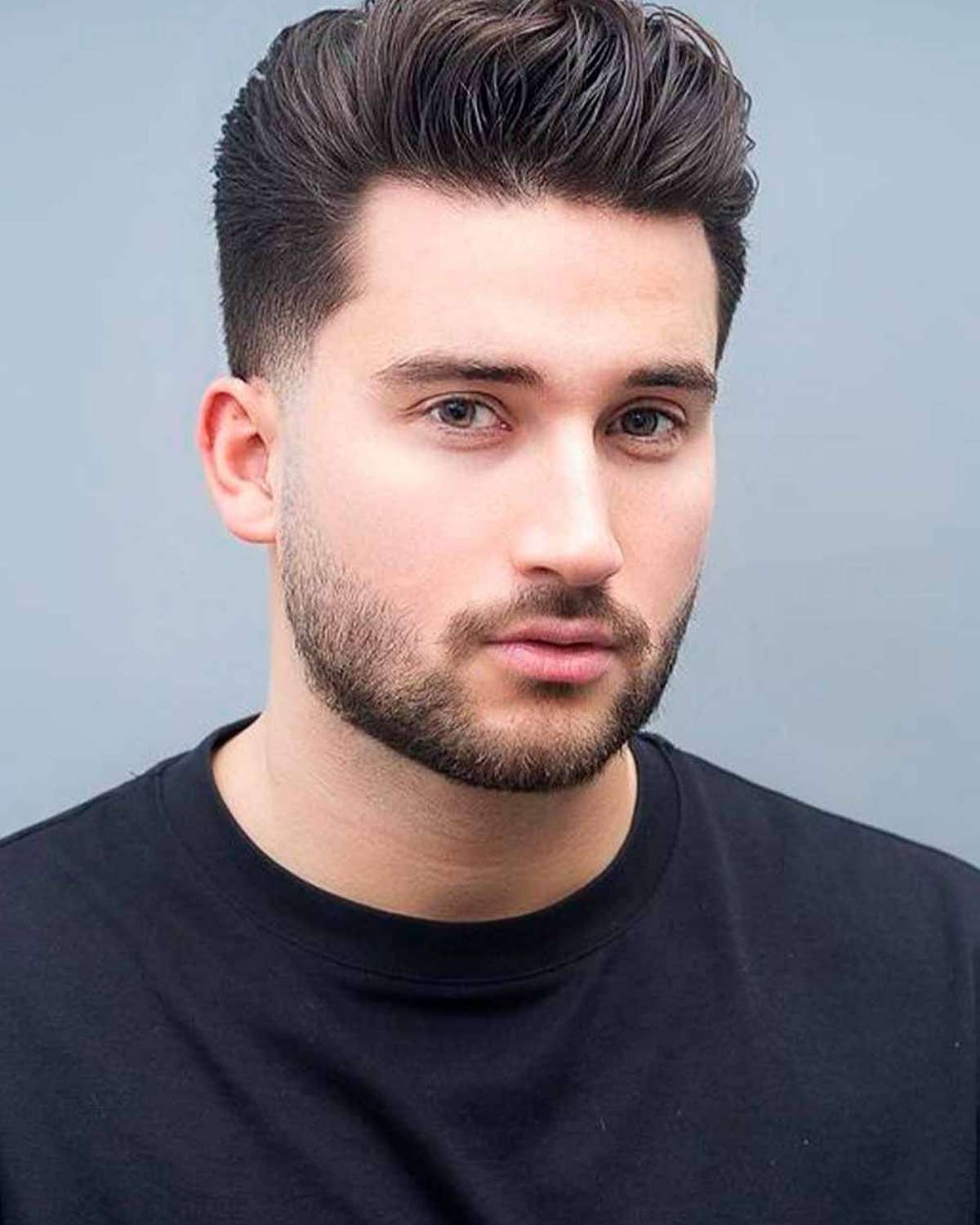
The taper quiff uses a gradual reduction in length along the sides and back instead of a sharp fade, creating a softer and more natural transition into the top. It keeps the quiff neat and structured without making the contrast too strong.
- Best For: Fine, straight, or medium-density hair; subtle and professional styles
- Ask Your Barber: Keep enough length on top for lift and gradually taper the sides and neckline while maintaining a smooth blend into the longer top.
- How to Style: Apply a lightweight styling cream, blow-dry the front gently upward, then shape the top with your fingers for a soft, natural finish.
- Maintenance: Low to medium; the taper grows out more naturally than a fade, so it usually needs less frequent cleanup.
17. Quiff with Drop Fade
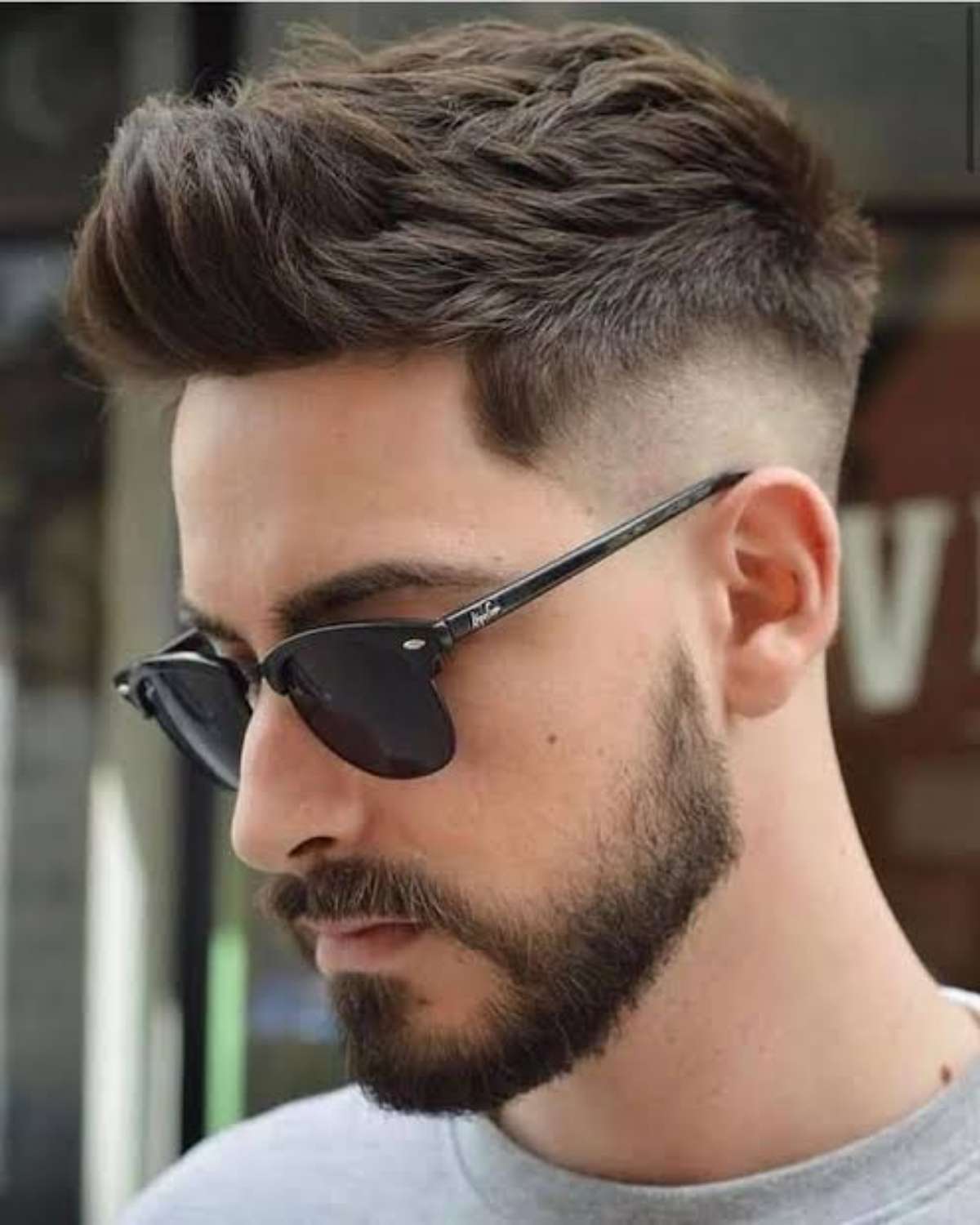
The drop fade quiff adds more shape by curving the fade downward behind the ears instead of keeping it level all the way around. This gives the haircut a more dynamic finish while still keeping the volume and lift of a classic quiff.
- Best For: Thick, wavy, or curly hair; men who want a sharper, more modern look
- Ask Your Barber: Keep enough length on top for a quiff and blend the sides into a drop fade that curves lower behind the ears for a more defined shape.
- How to Style: Apply a small amount of matte paste, blow-dry the front upward for height, then shape the top with your fingers for texture and control.
- Maintenance: Medium to high; the drop fade needs regular cleanup to keep the curved shape around the ears looking crisp.
18. Slicked Quiff
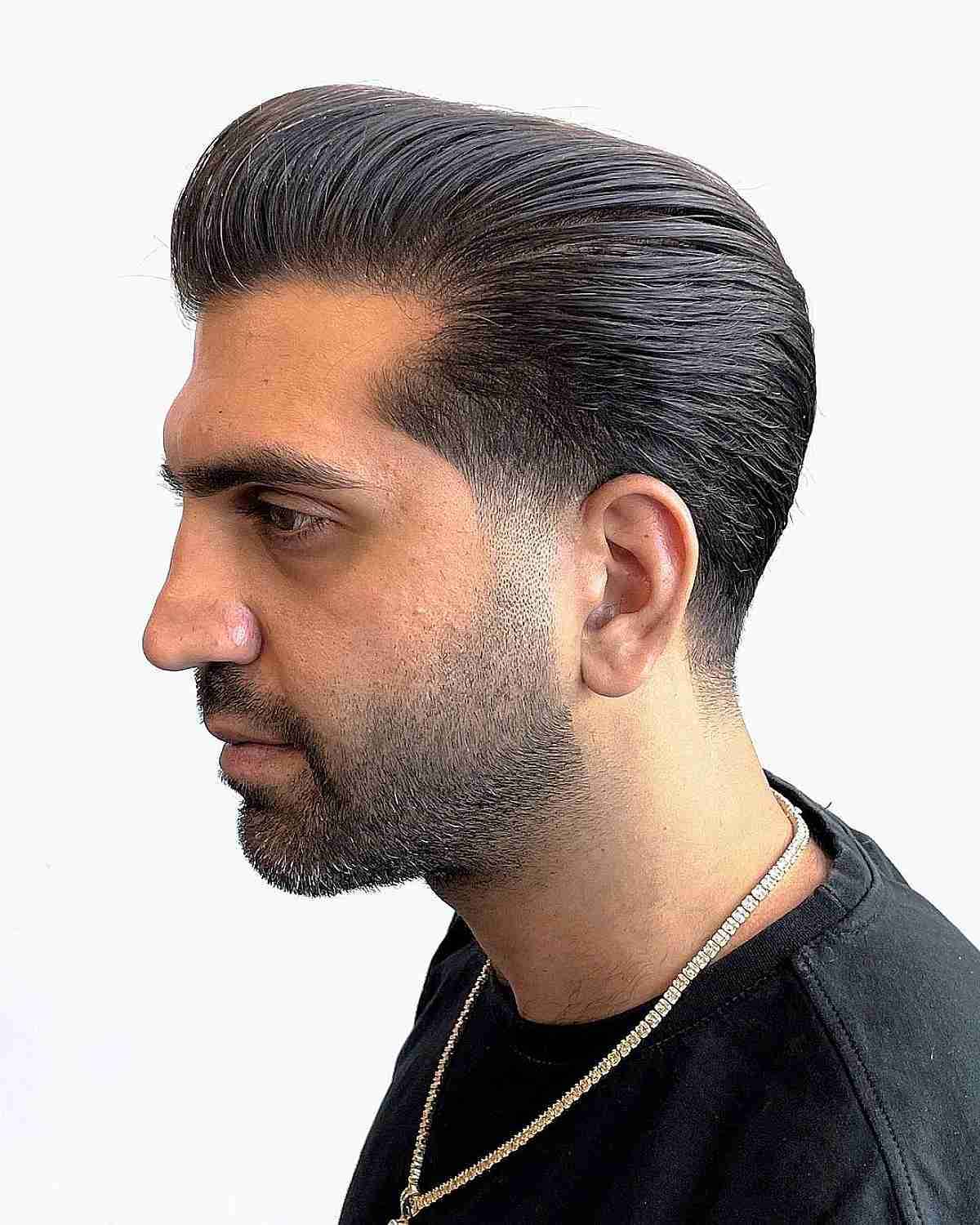
The slicked quiff keeps the front lifted but uses a smoother, more polished finish with very little visible texture. It works well for formal or professional settings where a cleaner, more controlled hairstyle is preferred.
- Best For: Straight or slightly wavy hair; formal and polished looks
- Ask Your Barber: Keep enough length on top to create lift, with neatly tapered or faded sides and a clean blend into the longer top.
- How to Style: Apply a small amount of shine-finish pomade, blow-dry the front upward and back, then use a fine-tooth comb to smooth the surface and shape the quiff.
19. Side-Swept Quiff
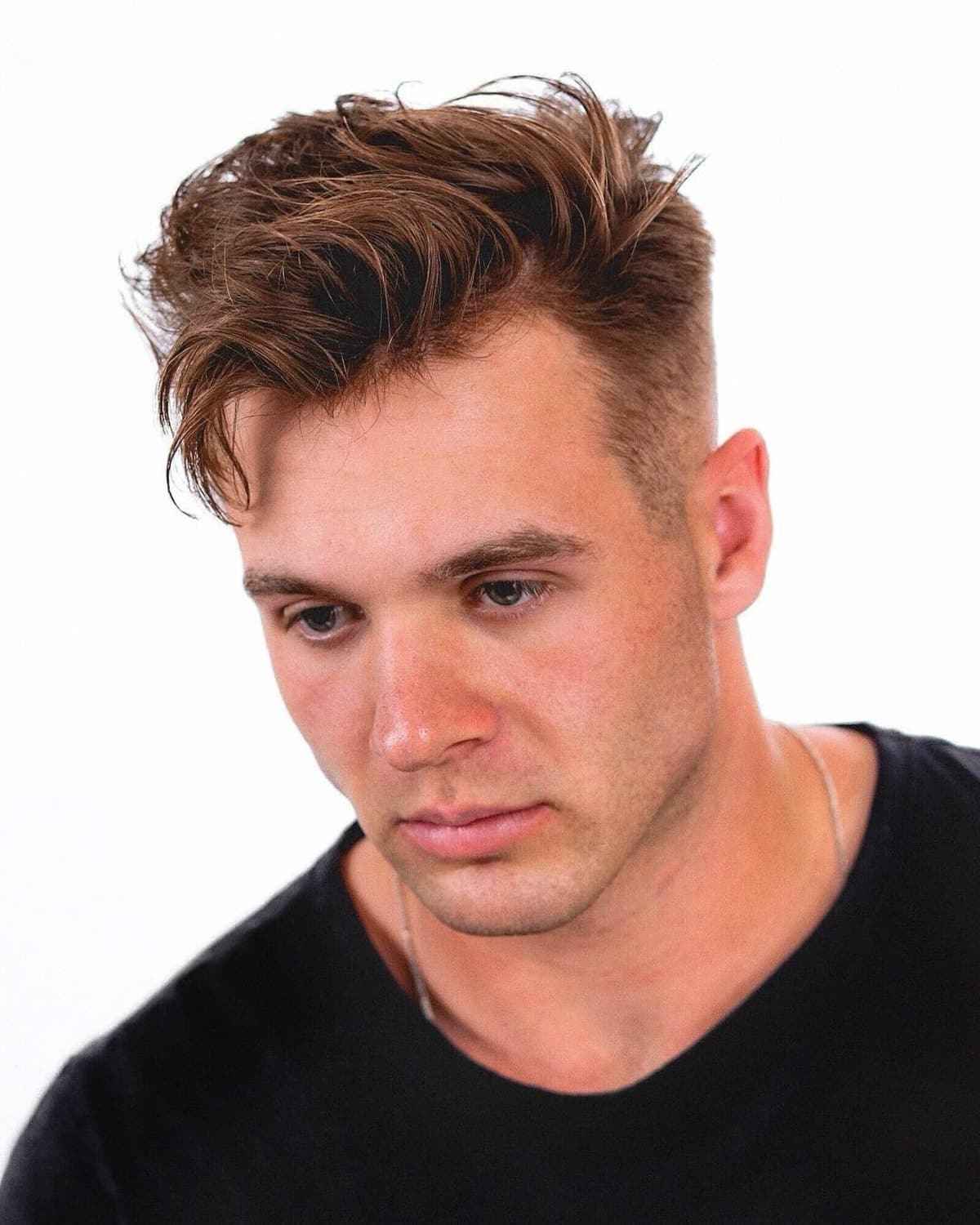
The side-swept quiff combines height at the front with a softer direction toward one side, creating a more relaxed alternative to a straight-back quiff. It works well when you want volume without an overly structured or symmetrical finish.
- Best For: Straight or wavy hair; casual and smart-casual styles
- Ask Your Barber: Keep extra length through the front and top so the hair can be directed to one side, with a clean taper or low fade around the sides.
- How to Style: Apply a lightweight cream or paste, blow-dry the front upward and slightly to one side, then shape it with your fingers for a natural finish.
- Maintenance: Medium; the longer front needs some daily shaping, while regular trims help keep the sides neat and the side-swept shape balanced.
20. Pompadour Quiff
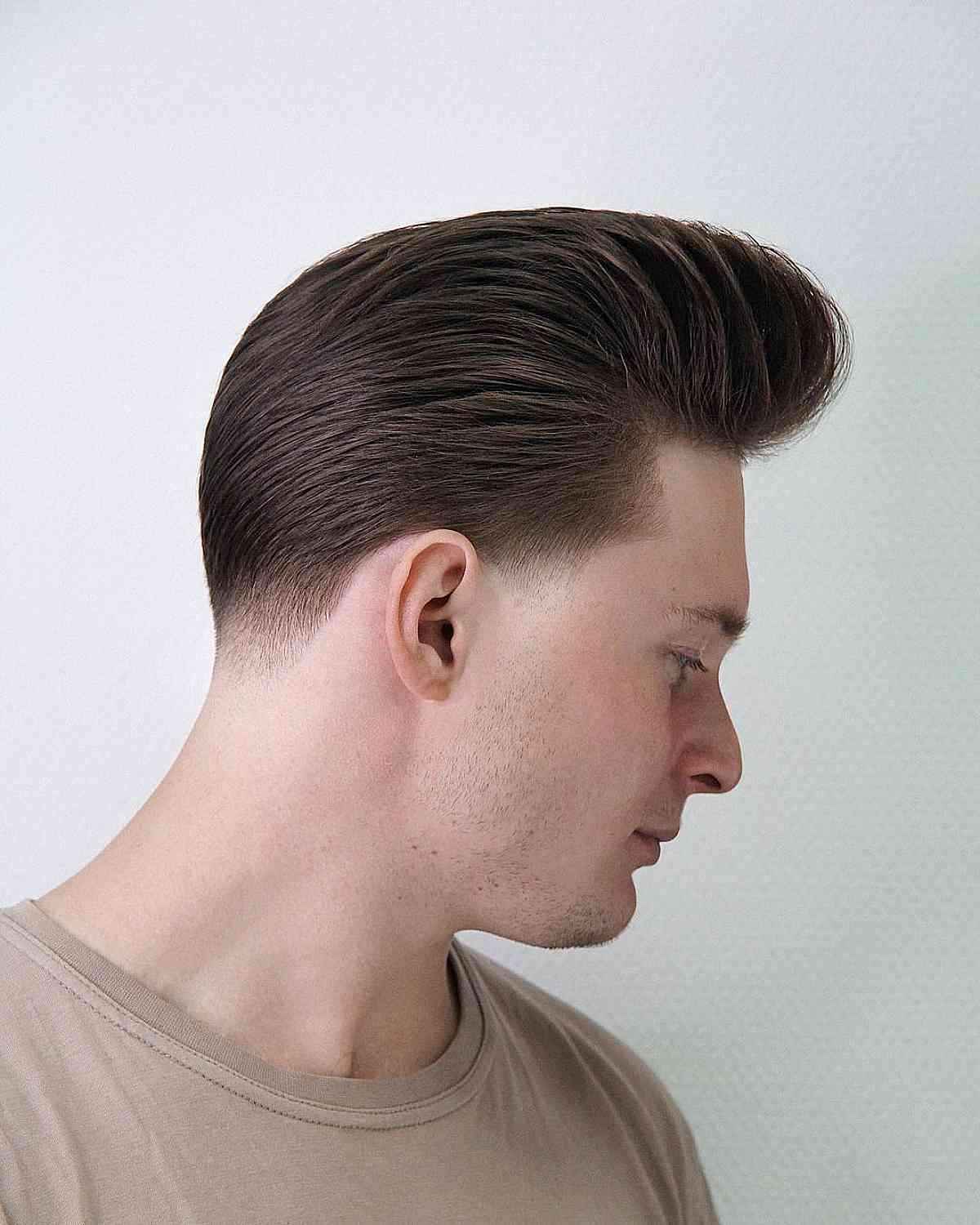
The pompadour quiff combines the extra height of a pompadour with the softer, less rigid shape of a quiff. It creates a fuller silhouette through the front and top while still allowing some natural movement.
- Best For: Thick, straight, or wavy hair; men who want noticeable height and volume
- Ask Your Barber: Keep plenty of length through the front and top, maintain some weight for volume, and keep the sides shorter with a taper or fade.
- How to Style: Apply a strong-hold pomade or styling cream, blow-dry the front upward and slightly back, then shape with a comb or fingers depending on how polished you want the finish.
- Maintenance: Medium to high; the longer top needs regular styling, while the sides may need frequent trimming to keep the shape balanced.
21. Faux Hawk Quiff
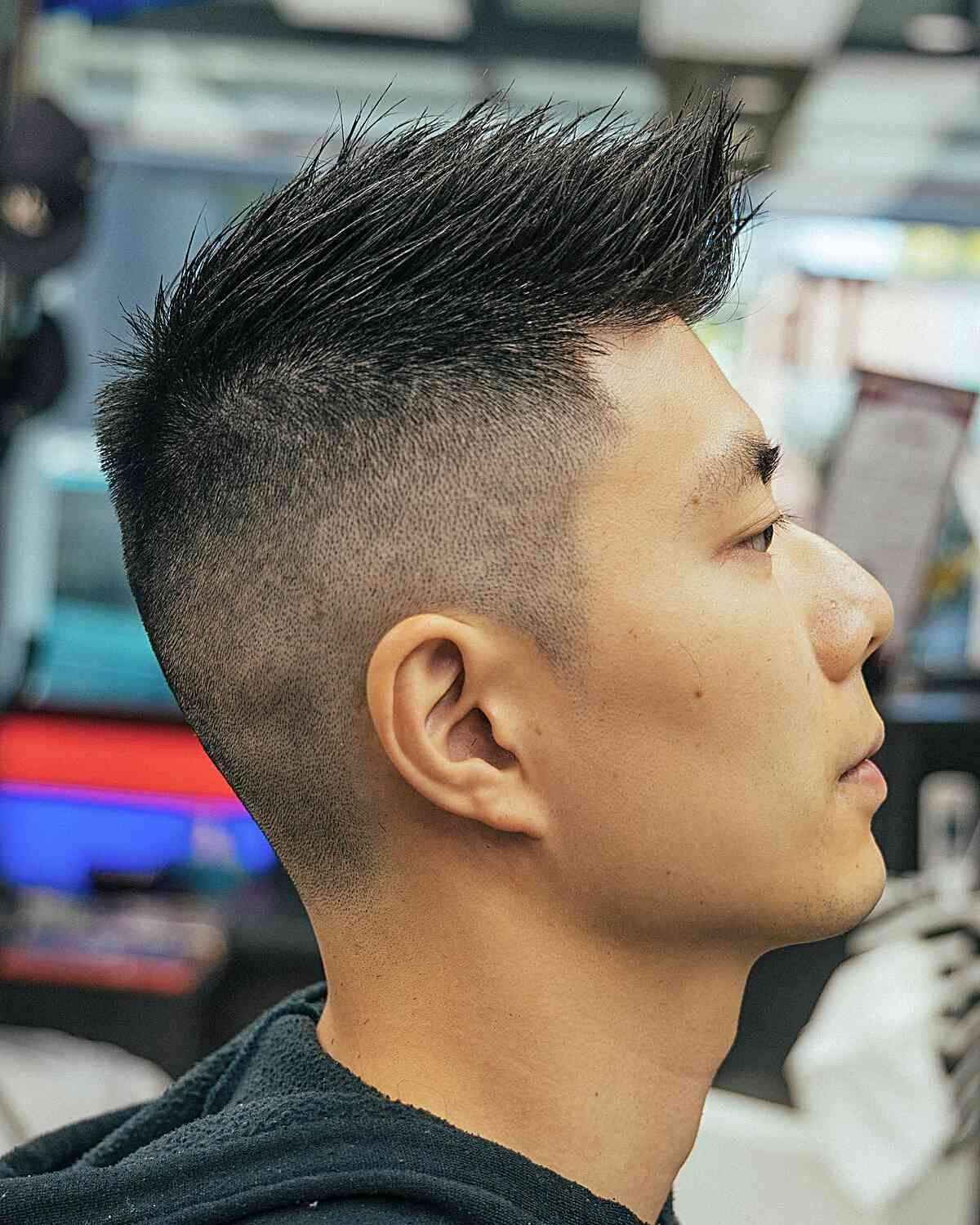
The faux hawk quiff combines the height of a quiff with a narrower, more defined shape through the center of the head. Shorter sides create stronger contrast, giving the style a sharper and more modern appearance without going as extreme as a full mohawk.
- Best For: Thick, coarse, or medium-to-high density hair; bold and casual styles
- Ask Your Barber: Keep extra length through the center and front, taper or fade the sides closely, and blend the shape so the top stays defined without looking disconnected.
- How to Style: Apply a strong-hold paste to damp or dry hair, lift the center section upward and slightly back, then shape with your fingers for controlled texture.
- Maintenance: Medium to high; the shorter sides need regular cleanup, and the top requires enough styling to maintain its narrow, lifted shape.
22. Spiky Quiff
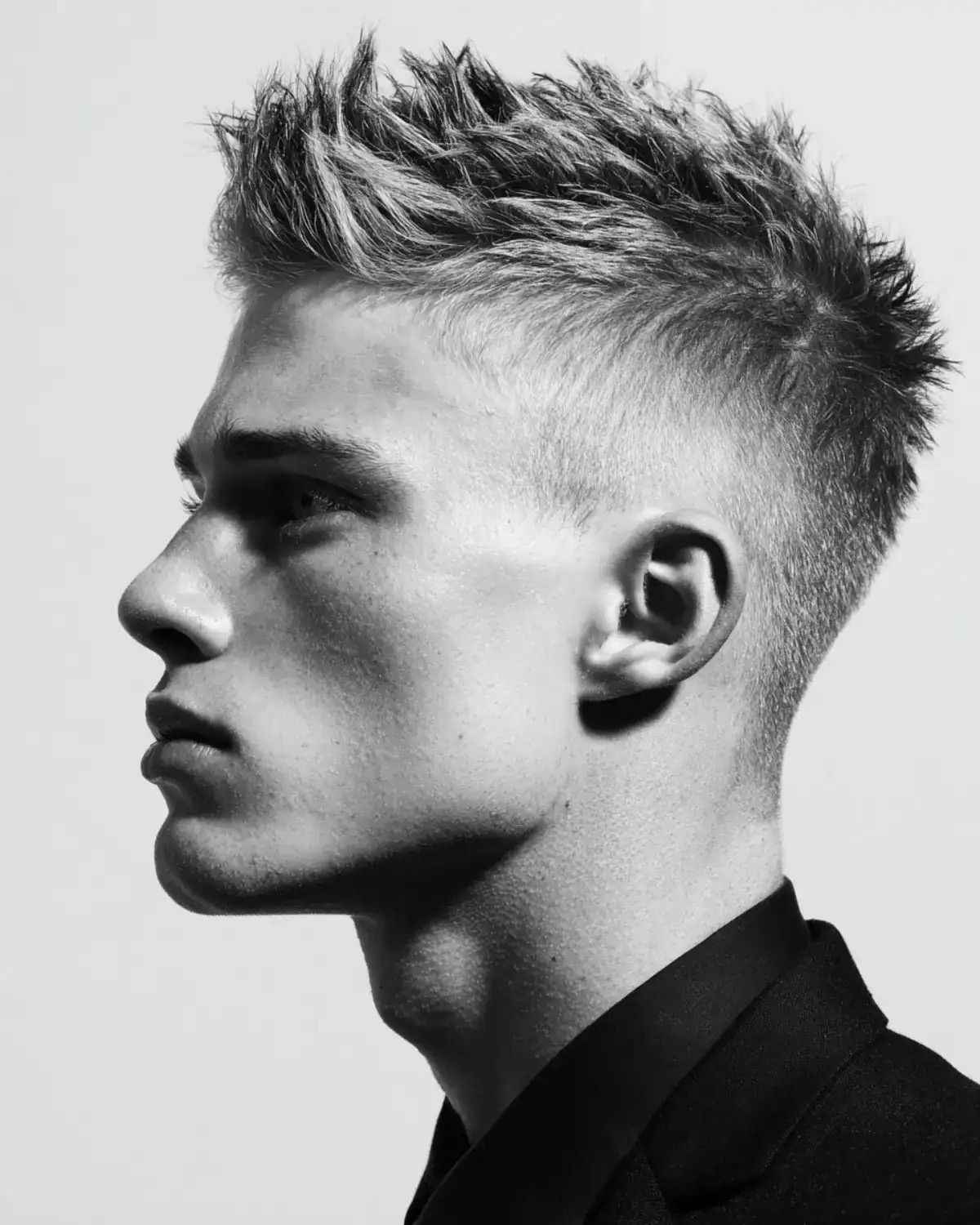
The spiky quiff combines the lifted front of a traditional quiff with more separated, pointed texture through the crown. This creates a sharper, more energetic finish while keeping the overall shape structured.
- Best For: Thick, coarse, or medium-to-high density hair; casual and youthful styles
- Ask Your Barber: Keep enough length through the front and crown for lift, add texture through the top, and keep the sides shorter with a taper or fade.
- How to Style: Apply a firm-hold paste or gel, lift the front upward, then use your fingers to separate small sections through the crown for a defined spiky texture.
- Maintenance: Medium; the textured top is easy to reshape, but regular trims help prevent the spikes from becoming heavy or losing definition.
23. Thick Hair Quiff
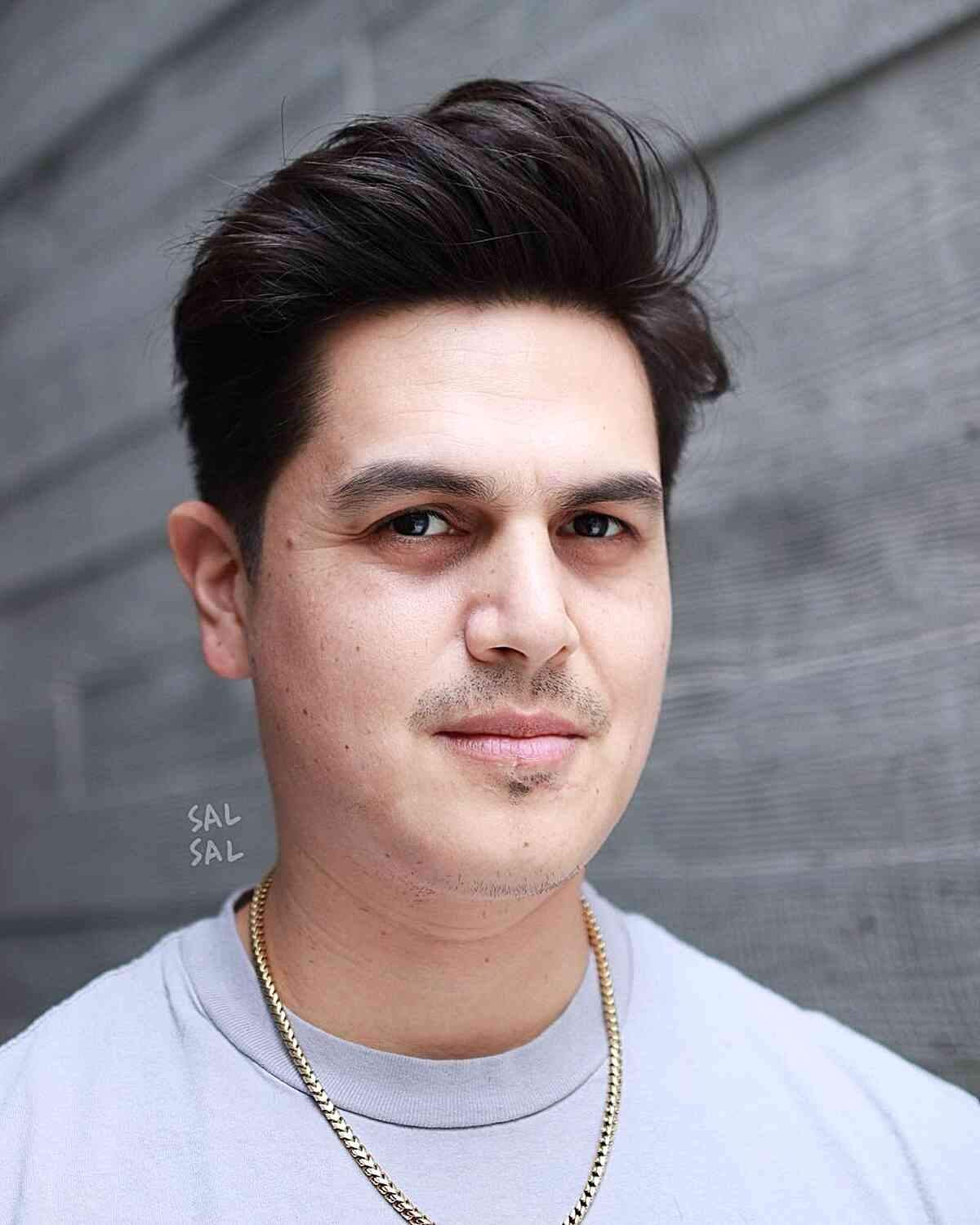
A quiff for thick hair focuses on controlling bulk while preserving enough weight for height and shape. Light texturizing through the top helps the hairstyle feel more balanced and prevents it from looking overly heavy.
- Best For: Thick or coarse hair
- Ask Your Barber: Keep enough length through the front for lift, remove excess bulk with controlled texturizing, and keep the sides tapered or faded for balance.
- How to Style: Apply a lightweight paste or cream, blow-dry the front upward while directing the hair back, then shape with your fingers to keep the finish natural.
- Maintenance: Medium; regular trims help control bulk and make the quiff easier to style as the hair grows.
24. Fine Hair Quiff
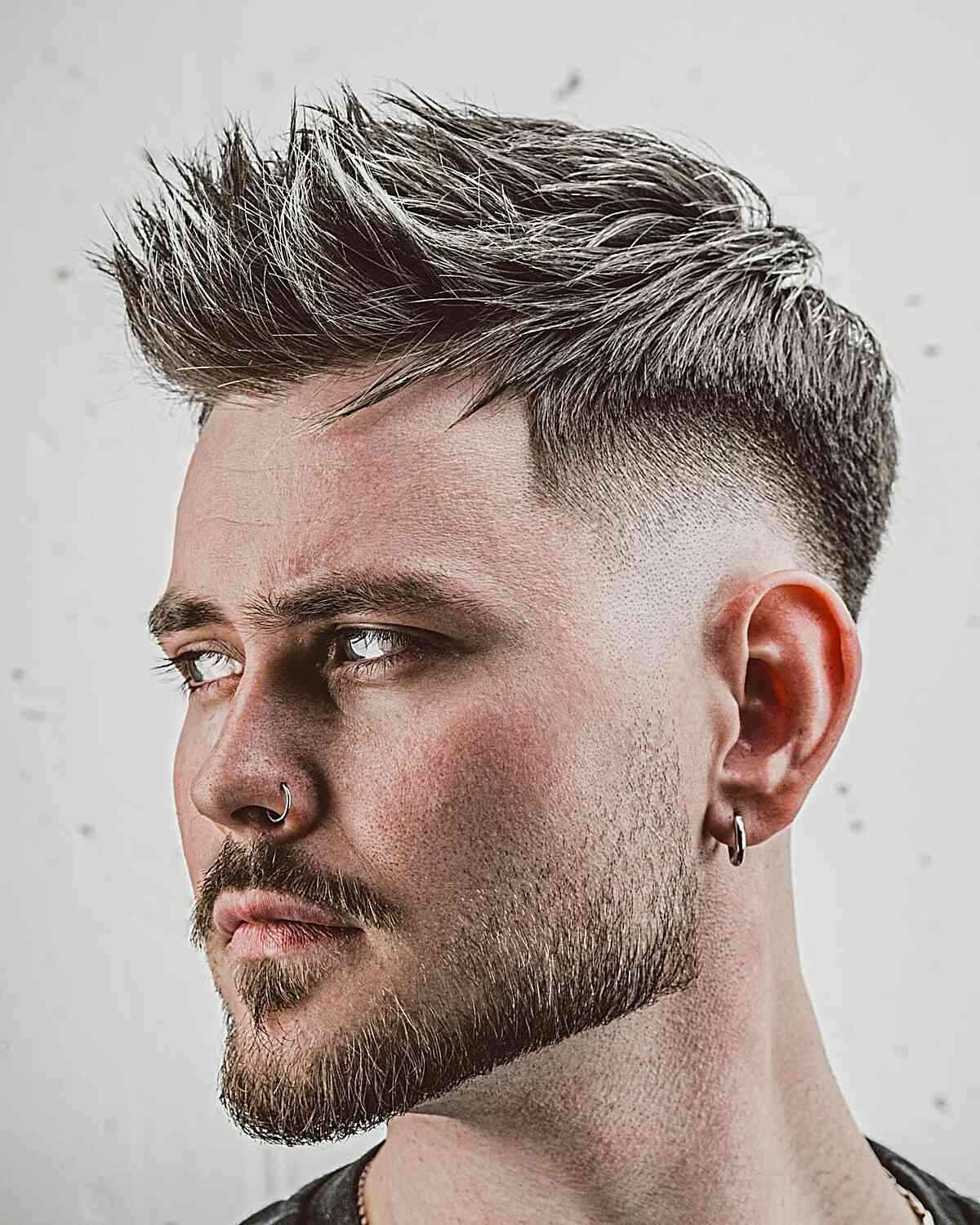
A quiff for fine hair focuses on creating lift and shape without using heavy products that can make the hair look flatter. Keeping the front slightly longer and the sides neat can help the top appear fuller and more structured.
- Best For: Fine or lower-density hair
- Ask Your Barber: Keep some extra length at the front, add light texture through the top, and avoid removing too much weight from areas that already look thin.
- How to Style: Apply a lightweight volumizing mousse or spray at the roots, blow-dry the front upward for lift, then finish with a light-hold product to keep the shape in place.
- Maintenance: Medium; regular trims help maintain the shape, while lightweight styling products make daily volume easier to achieve.
25. Straight Quiff
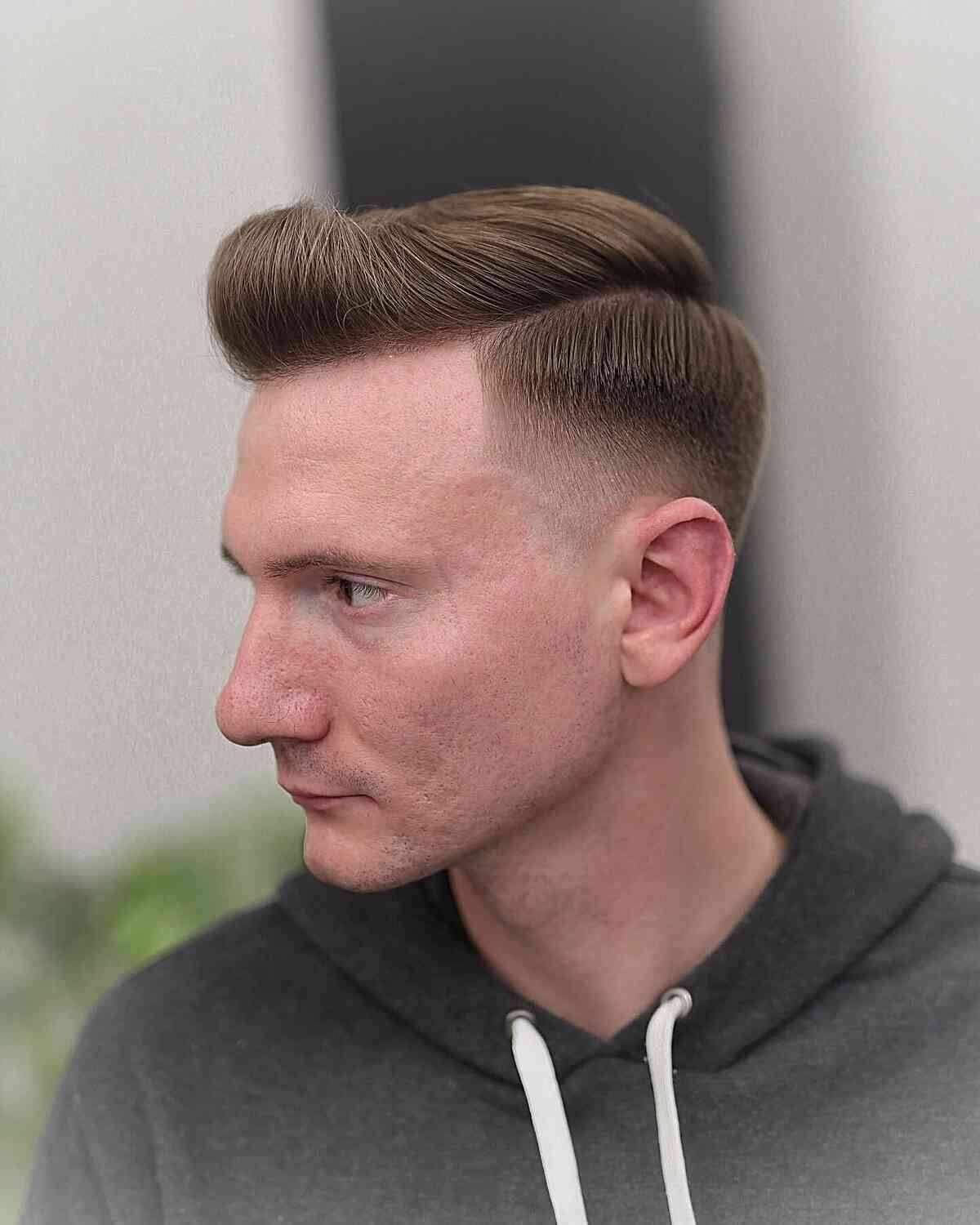
A quiff for straight hair uses clean lines and controlled volume to create a smooth, structured finish. Because straight hair is easier to direct, it works well for both polished and lightly textured versions of the style.
- Best For: Straight, fine-to-medium, or medium-density hair
- Ask Your Barber: Keep enough length through the front and top for lift, with neatly tapered or faded sides and a clean blend into the top.
- How to Style: Apply a small amount of pomade or styling cream, blow-dry the front upward and back, then use a comb for a smoother finish or your fingers for a softer look.
- Maintenance: Low to medium; straight hair is usually easy to shape, but regular trims help keep the sides neat and the front from becoming too heavy.
26. Blonde Quiff
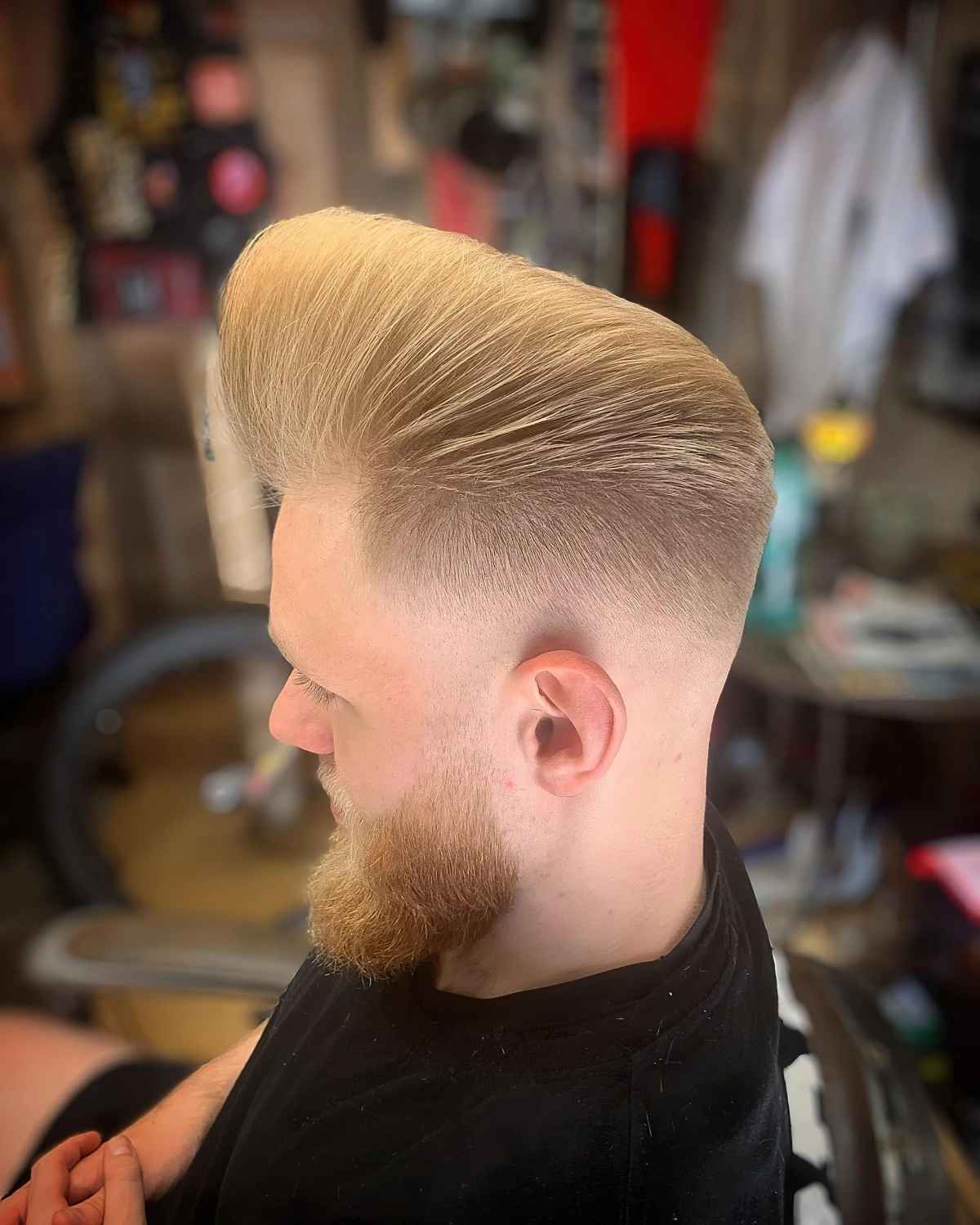
The blonde quiff combines the shape and height of a quiff with a lighter hair color that makes the top stand out more clearly. The contrast is especially noticeable when the sides are kept darker or shorter.
- Best For: Men who want a more noticeable, color-focused style
- Ask Your Barber: Keep enough length through the front and top for lift, and choose a taper or fade that complements the lighter color on top.
- How to Style: Use a lightweight styling cream or paste, blow-dry the front upward for volume, then shape with your fingers to avoid making lightened hair look stiff.
- Maintenance: High; the haircut needs regular shaping, and bleached or colored hair also requires consistent conditioning and color upkeep to prevent dryness and fading.
27. Salt-and-Pepper Quiff
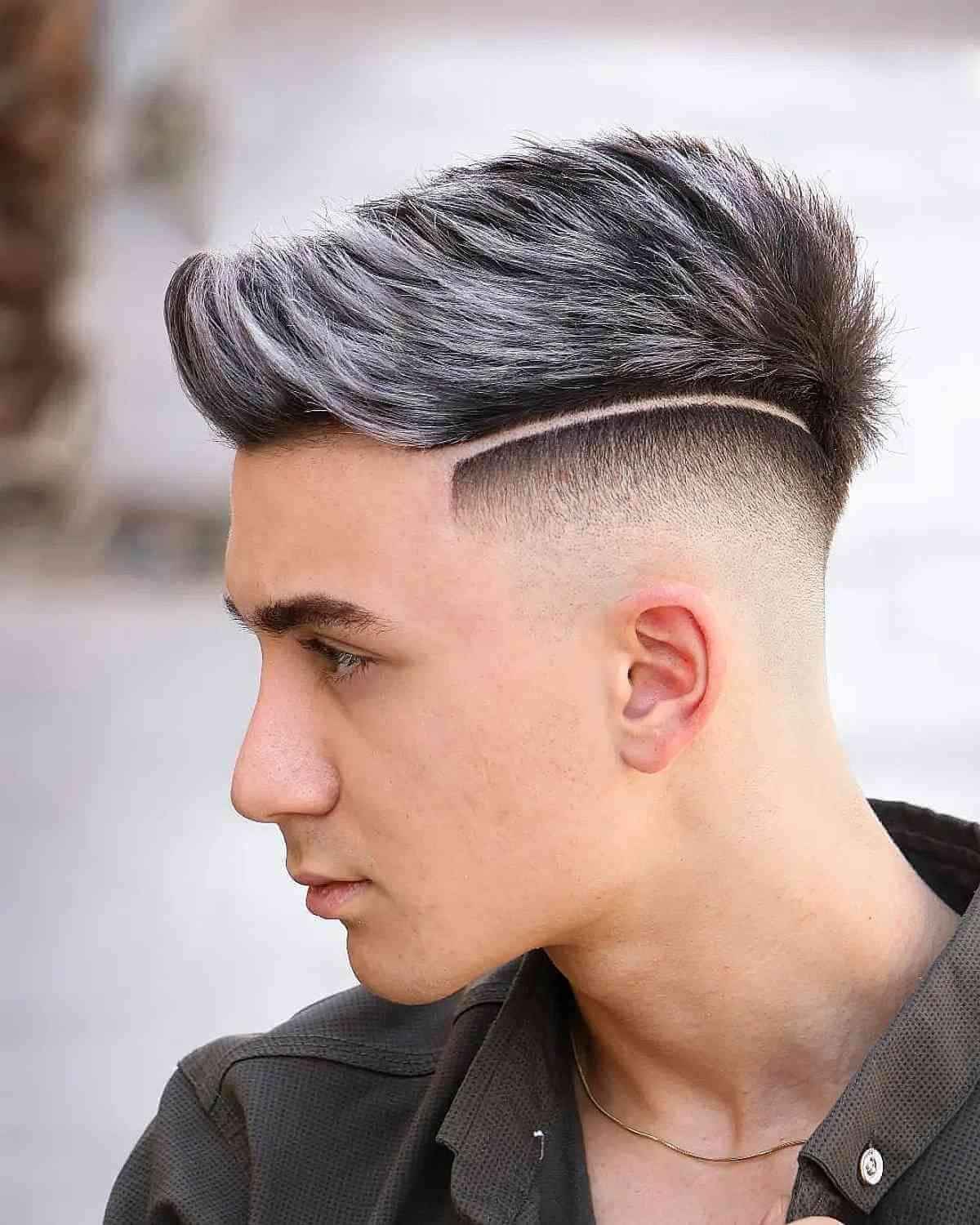
The gray quiff works with natural silver or gray tones while keeping the haircut clean, structured, and modern. Moderate height at the front adds shape without making the style look overly dramatic.
- Best For: Men with naturally gray or graying hair; polished and mature styles
- Ask Your Barber: Keep enough length through the front for lift, maintain a clean taper or fade on the sides, and avoid removing too much weight from finer areas.
- How to Style: Use a lightweight matte cream or paste, blow-dry the front gently upward, then shape with your fingers for a natural finish.
- Maintenance: Medium; regular trims help preserve the shape, while lightweight products keep the hair controlled without making it look heavy.
28. Low-Maintenance Everyday Quiff
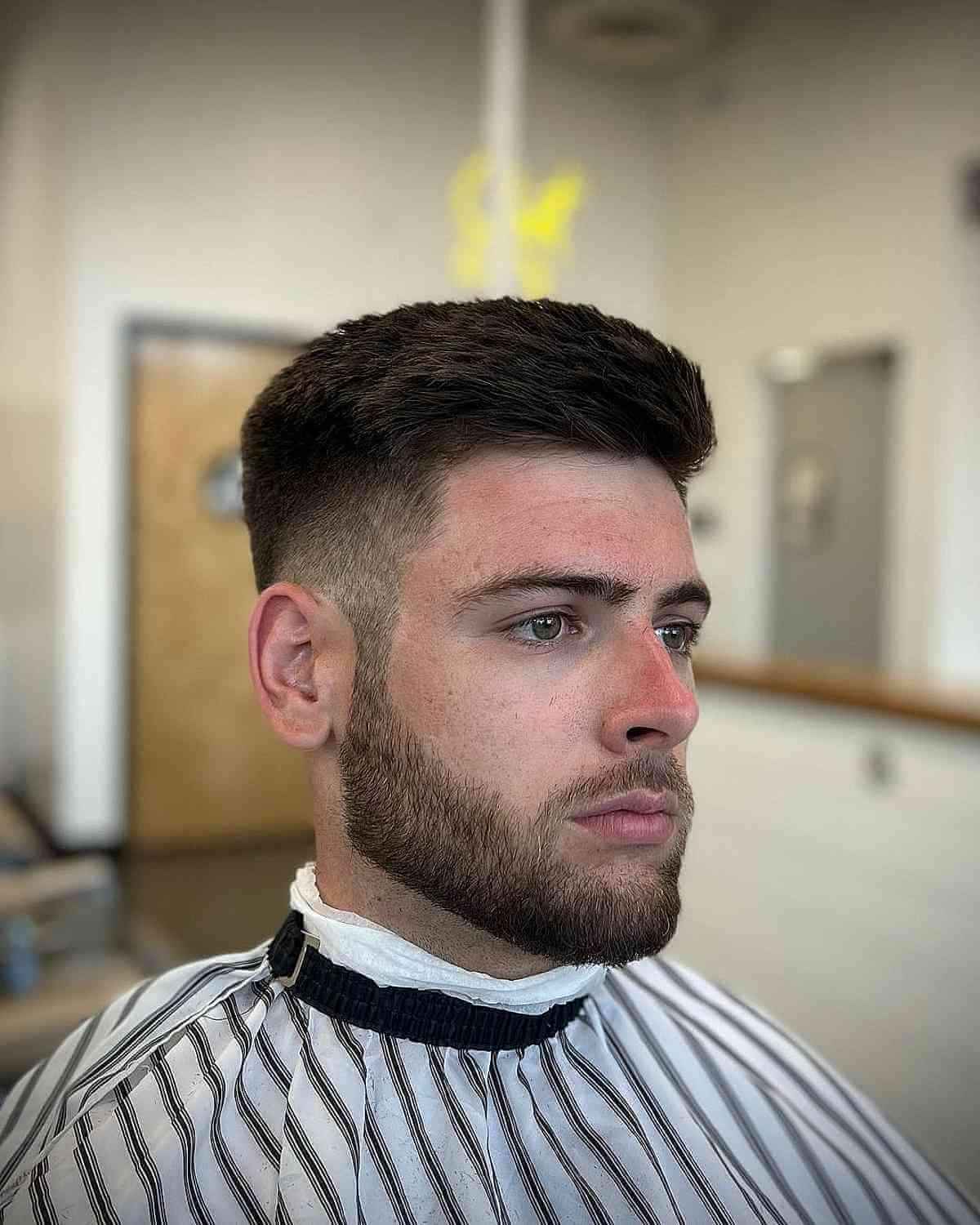
The low-maintenance quiff keeps the front slightly lifted while using a shorter, more natural shape that requires less daily styling. It works best when the haircut is designed to fall into place with minimal product and effort.
- Best For: Straight or slightly wavy hair; men who want a quick everyday routine
- Ask Your Barber: Keep the top manageable with slightly more length at the front, add light texture, and use a soft taper on the sides for easier grow-out.
- How to Style: Apply a small amount of lightweight cream to damp hair, lift the front with your fingers, and let it air-dry or use a quick blow-dry for extra volume.
- Maintenance: Low; the softer shape grows out naturally and usually needs less frequent styling than longer or heavily faded quiffs.
29. Formal Quiff
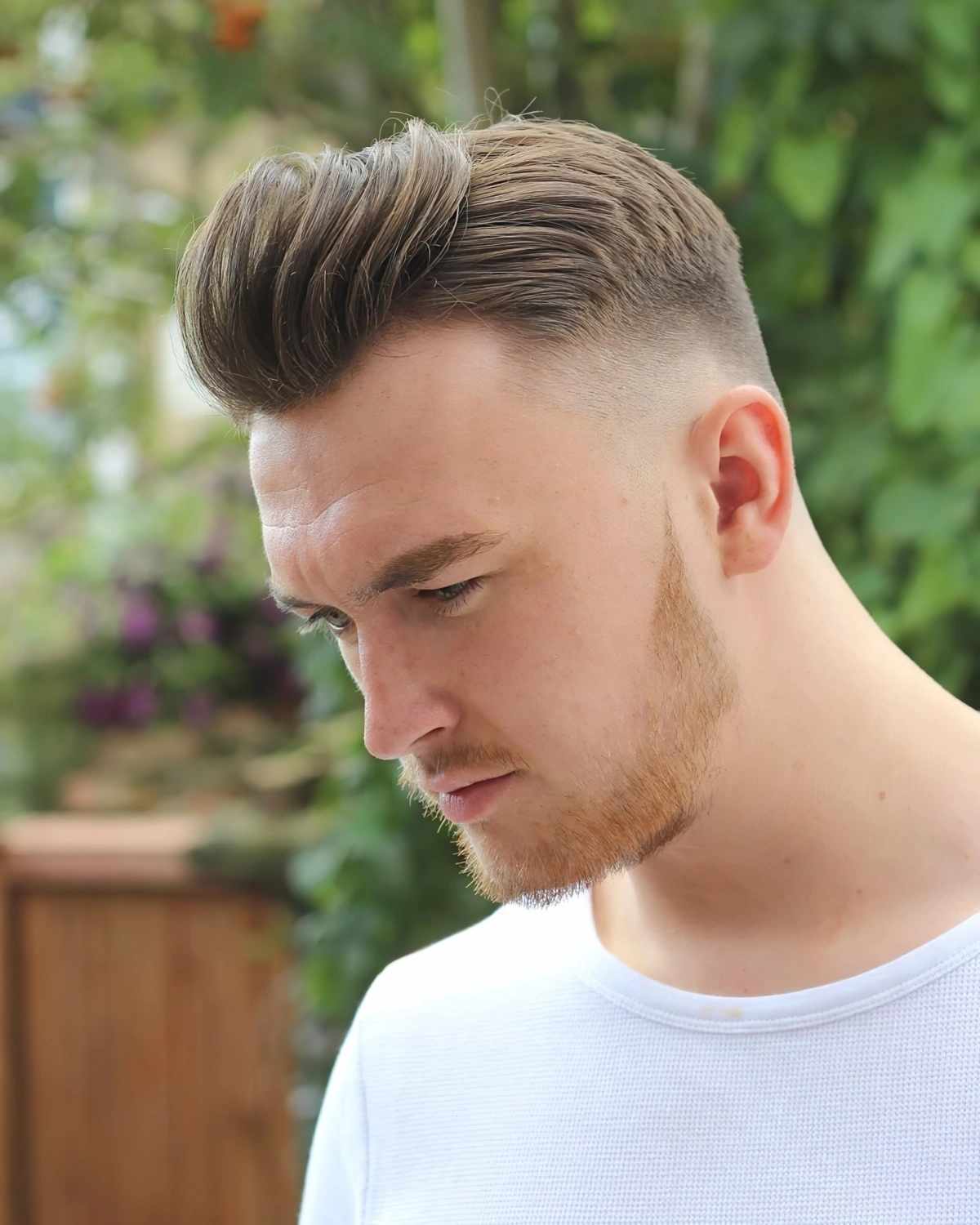
The professional quiff keeps the front neatly lifted while using a smoother, more controlled finish with minimal texture. It is designed to look clean and understated, making it suitable for offices, interviews, meetings, and formal occasions.
- Best For: Straight or slightly wavy hair; professional and formal settings
- Ask Your Barber: Keep moderate length on top for controlled lift, use a clean taper or low fade on the sides, and avoid overly disconnected or dramatic shaping.
- How to Style: Apply a small amount of light- to medium-hold pomade or cream, blow-dry the front gently upward and back, then use a comb for a neat finish.
- Maintenance: Medium; regular trims help keep the sides tidy and the top easy to style for a polished appearance.
30. Quiff for Receding Hairline
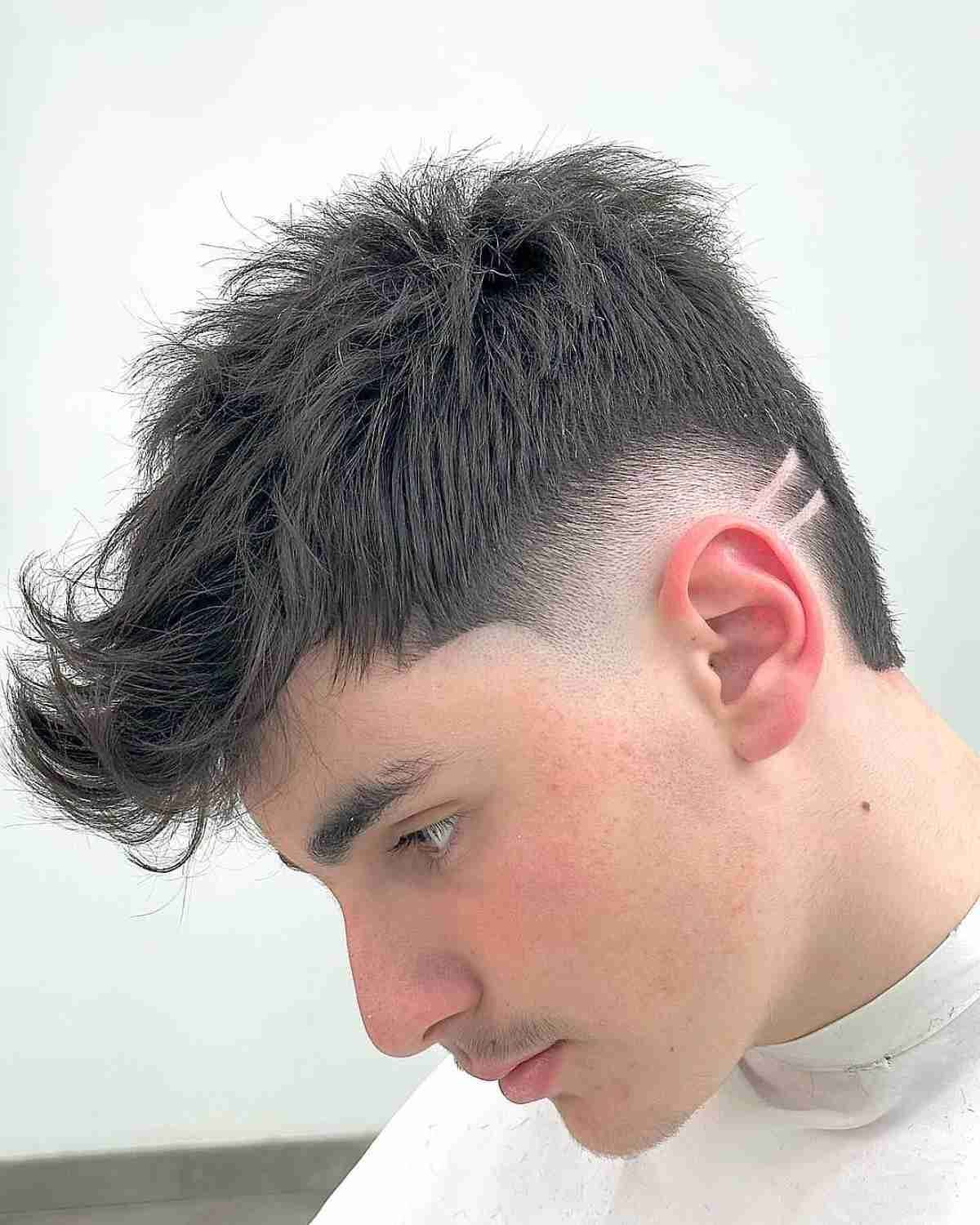
A quiff for a receding hairline uses controlled length and softer styling at the front to create a more balanced appearance. Instead of pulling the hair tightly back, the front can be kept slightly looser to avoid emphasizing the hairline.
- Best For: Men with a receding or thinning hairline who still have enough length at the front for lift
- Ask Your Barber: Keep slightly more length through the front, add light texture, and use a taper or fade on the sides to keep the overall shape clean and balanced.
- How to Style: Apply a lightweight matte product, lift the front gently rather than slicking it straight back, and use your fingers to create a softer, natural finish.
- Maintenance: Medium; regular trims help control the sides and keep the front easy to style without becoming too heavy.
Which Quiff Should You Choose?
The right quiff depends on your hair type, styling time, and how bold you want the haircut to look.
Receding Hairline: A softer textured quiff with moderate height
Fine Hair: Short Quiff or Textured Quiff
Thick Hair: Long Quiff, Modern Quiff, or Pompadour Quiff
Wavy Hair: Wavy Quiff or Messy Quiff
Curly Hair: Curly Quiff
Low Maintenance: Short Quiff or Taper Quiff
Professional Look: Classic Quiff, Low Fade Quiff, or Professional Quiff
Bold Look: High Fade Quiff, Skin Fade Quiff, or Undercut Quiff
Common Quiff Styling Mistakes
Even a good quiff can lose its shape if it is styled incorrectly. Avoid these common mistakes:
- Using too much product: Heavy clay or pomade can flatten the hair and reduce volume.
- Skipping blow-drying: A blow-dryer helps create lift and makes the quiff easier to shape.
- Using the wrong product: Fine hair usually needs lightweight products, while thicker hair may need stronger hold.
- Making the front too stiff: A quiff should have shape without looking overly rigid.
- Ignoring the sides: Overgrown sides can make the haircut lose its clean, balanced appearance.
- Not adjusting for hair type: Curly, fine, and thick hair need different styling techniques rather than the same routine.
FAQs
Does a quiff work with straight hair?
Yes. Straight hair works well with a quiff because it is easy to direct and shape. Use matte clay or paste for a textured finish, or pomade if you prefer a smoother, shinier look.
How often should I get a quiff trimmed?
Every 3–4 weeks if you’re keeping a fade or undercut sharp. Stretch it to 6–8 weeks for a longer, lower-maintenance version.
What products do I need for a quiff?
Three things cover it: a pre-styler like sea salt spray or mousse, a blow dryer for lift, and a hold product clay or paste for texture, pomade if you want shine.
Is a quiff the same as a pompadour?
Not quite. A pompadour builds more height with a steeper back-sweep, while a quiff stays shorter and more relaxed, pushing the top up and forward instead of sweeping it fully back.
Can I get a quiff with thin hair?
Yes. Keep some length at the front, use a lightweight volumizing product, and blow-dry the roots upward to create lift. Avoid heavy products that can weigh fine hair down.


Leave a Reply