
Sea salt spray and texture powder can both make men’s hair look fuller and more textured, but they produce different results. Spray creates natural movement and beachy waves, while powder adds grip and lift, particularly around the roots. Choosing between them depends on your hair type, haircut and daily styling routine. This guide compares both products, explains which hairstyles benefit from each, and shares practical tips for getting the finish you want.
After comparing how both products work across different hair types, the honest answer is that most men only need one—the trick is knowing which one.
My advice is to start with the problem you want to solve. If your roots fall flat, you may need powder. If your hair lacks movement throughout, sea salt spray could be the better option.
What Makes Sea Salt Spray and Texture Powder Different?
Sea salt spray is a liquid styling product usually applied to damp hair before drying. It helps separate strands, enhance natural waves and create a relaxed, slightly gritty finish. Some formulas leave hair soft, while others produce a firmer texture.
Texture powder is a lightweight styling product applied mainly to dry hair. It creates grip between strands, lifts the roots and helps you shape short hairstyles without a shiny finish. Some formulas also absorb excess oil, making flattened hair look fresher temporarily.
Put simply — spray works through the lengths, powder works at the roots.
The application method matters, too. Spray can be distributed through damp hair before air-drying or blow-drying. Powder works best when you want to add volume to an already-dry hairstyle without starting your routine again.
There are a few drawbacks worth considering. Frequent use of salt-based sprays can leave some hair feeling rough or dry. The Cleveland Clinic’s guide to saltwater and hair explains why saltwater exposure can contribute to dryness. Styling sprays are not identical to ocean water, but the comparison highlights why your hair’s condition matters.
For general care, the American Academy of Dermatology’s healthy-hair advice offers useful guidance on maintaining healthy hair.
My take: neither product is automatically better. The right choice depends on whether you want movement, volume, separation or a combination of these effects.
How to Choose the Right Option
Your hair type is a useful starting point, but consider how your hair behaves throughout the day as well.
- Fine, straight hair: Spray adds light texture without much weight. Powder is useful when the roots collapse or the fringe falls forward.
- Thick hair: Powder separates dense strands, while spray helps longer hair look more relaxed.
- Naturally wavy hair: Spray is usually the easiest starting point because it enhances your existing waves.
- Curly or coily hair: Check the formula carefully if your hair is prone to dryness or frizz. A conditioning leave-in may be more useful as a first step.
- Short hair: Powder works well for textured crops, messy fringes and quiffs. Spray can also help before blow-drying.
- Medium or long hair: Spray is generally easier to distribute through the lengths, while powder provides targeted root lift.
- Oily roots: Powder may temporarily reduce the appearance of oil, although it does not replace washing.
- Dry or colour-treated hair: Use salt spray sparingly and pay attention to conditioning. Stop using a product that causes persistent irritation.
In my experience, the quickest way to choose is to notice where your hairstyle loses its shape. If the roots collapse but the lengths still look good, powder is worth trying. If your hair looks lifeless from root to tip, spray may provide the movement you need.
10 Ways to Get the Finish You Want
1. Sea Salt Spray for Beachy Texture
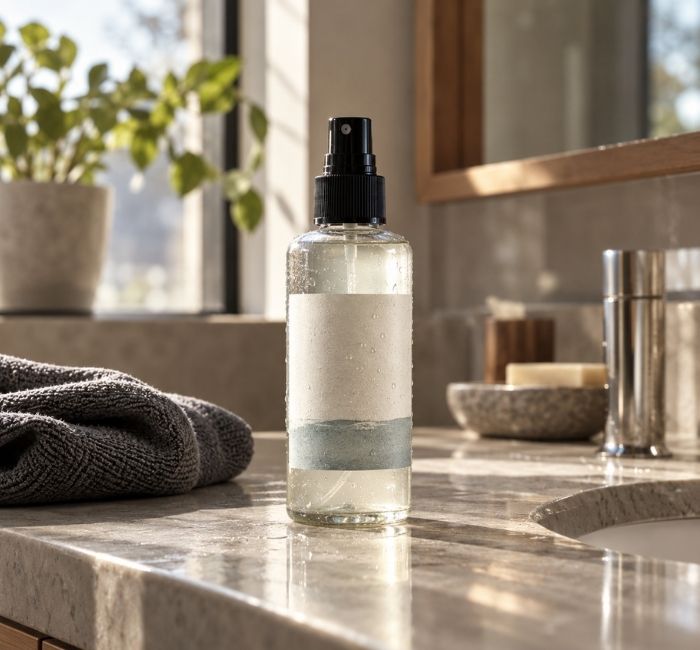
Sea salt spray creates a relaxed, tousled finish without making every strand sit perfectly in place. It works particularly well on short-to-medium and longer hair that already has some natural movement.
Ask your barber for a textured cut that allows the hair to move rather than sit in one uniform shape. After washing, mist two or three times onto towel-dried hair and scrunch gently with your hands.
You can leave it to dry naturally or use a hairdryer on a low or medium setting for extra volume.
One thing to remember: Adding more spray does not always create better waves. Too much can leave the hair stiff, rough or difficult to comb.
2. Sea Salt Spray for Fine Hair
Fine hair can lose volume quickly, especially when heavier creams and waxes weigh it down. A lightweight spray can add grip and make the strands appear more separated without creating a thick coating.
This is a good option if your hair looks fuller after washing but becomes limp later in the day.
For the haircut, ask your barber for subtle texture on top without excessive thinning at the ends. Apply spray to damp hair and lift the roots while blow-drying.
The fringe deserves particular attention. Using too much product there can make fine strands stick together, creating the opposite of the fuller appearance you wanted.
3. Sea Salt Spray for Curtain Hairstyles
Curtain hairstyles rely on movement around the forehead and temples. Sea salt spray helps create a soft, natural finish that works better for this look than a heavily slicked-back style.
Start with a light mist on damp mid-lengths. Establish your part, then blow-dry each side towards the desired shape.
Ask your barber for a medium-length curtain cut that frames your face and can be worn with a little natural messiness.
If the fringe starts looking stringy, reduce the amount of spray rather than adding another styling product. Using your fingers to arrange the hair can also preserve its natural movement.
4. Sea Salt Spray for Naturally Wavy Hair

If your hair already has a wave, you may not need a complicated styling routine. Sea salt spray can help those natural bends stand out instead of disappearing after brushing.
Apply a small amount to damp hair, scrunch sections upward and allow them to dry without repeatedly combing through them.
This approach suits men who want defined waves without making the hair look overly styled. Ask your barber for a cut that follows your natural texture.
Watch for increased frizz or roughness, particularly if your hair is already dry. A conditioning leave-in may help, provided the products are suitable for layering.
Honestly, the difference sounds more complicated than it is once you try both. Start with a light application and judge the result after your hair dries completely.
5. Sea Salt Spray Before Blow-Drying
Spray can act as a pre-styler when you want a loose quiff, brushed-back hairstyle or casual side part. It gives the hair some grip before you shape it with a dryer.
Apply it to towel-dried hair and direct the airflow towards the shape you want. Lift the roots with your fingers or a brush, depending on the style.
This option is particularly useful for men who already use a hairdryer and want more texture without a shiny finish.
Remember that sea salt spray is not automatically a heat protectant. Check the label and use a separate heat-protectant product when needed.
A good test is to style your hair with spray alone one morning and see whether it holds its shape until lunchtime. If it does, you probably don’t need anything else.
My take: a pre-styler makes sense if you already spend a few minutes blow-drying your hair. If you prefer to get ready in seconds, powder may be more convenient.
6. Texture Powder for Instant Root Lift
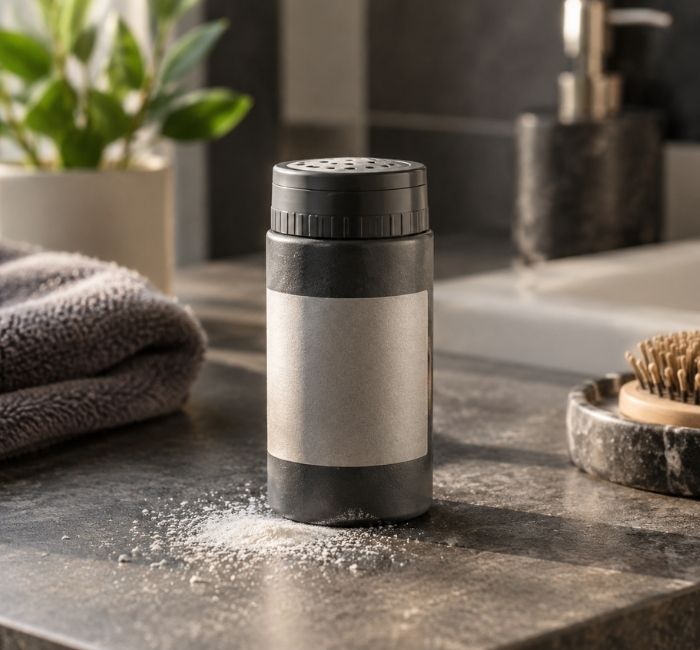
Texture powder is especially useful when the front or crown of your hair keeps falling flat. It adds grip at the roots, helping the strands stand away from the scalp without the wet appearance of gel.
Fine and medium hair often responds well to this approach, particularly with short cuts that need a little height.
Apply a tiny amount to completely dry roots, massage it in and lift the hair with your fingertips. Start with less than you think you need, then add a little more if necessary.
A haircut with enough length on top gives the powder something to work with. Ask your barber to leave sufficient length for lift while keeping the overall shape balanced.
If your hair becomes stiff or difficult to restyle, you may have applied too much.
7. Texture Powder for Short Crops and Textured Fringes
A short crop can look more defined when the top separates into smaller sections instead of sitting flat. Texture powder creates grip that helps you shape the fringe without adding shine.
It suits men who prefer a low-maintenance haircut and want to style their hair quickly before leaving home.
Work a small amount into the dry roots, then pinch a few sections into place with your fingers. There is no need to coat every strand.
Powder can look dusty if it remains on the surface, so distribute it properly and check the finish under natural light.
When visiting your barber, ask for a crop with enough texture to show separation. If the top is cut too short, there may not be much room to create the effect you want.
8. Texture Powder for Thick Hair
Thick hair often has plenty of volume but can still look heavy or difficult to shape. Powder helps separate dense strands, making a crop, quiff or side-swept style look more defined.
Apply a small amount around the roots and work through the upper layers with your fingers. Avoid coating the entire head, as excessive powder can make hair feel rough.
Your haircut matters here. Ask your barber to reduce excess bulk where appropriate while retaining enough density for your preferred style.
If your hair already has plenty of height, you may need only a little definition through the ends. A small amount of matte paste might work better than adding more powder.
9. Texture Powder for Oily Roots
Some texture powders absorb oil and make flattened roots look less slick. This can help when your hairstyle loses its shape during a long day or after wearing a hat.
Apply a small amount to dry roots, massage it through and reshape your hair with your fingertips.
Powder is not a replacement for washing your scalp. Repeatedly adding more can leave residue behind, especially if you already use several styling products.
Short hairstyles are often easier to refresh this way because the powder is simple to distribute. If you notice persistent itching or flakes, reconsider the product and your washing routine.
If powder buildup becomes noticeable, an occasional clarifying shampoo can help remove residue. Follow the shampoo’s directions and adjust how often you use it if your hair starts feeling dry.
10. Texture Powder for Quiffs and Side Parts
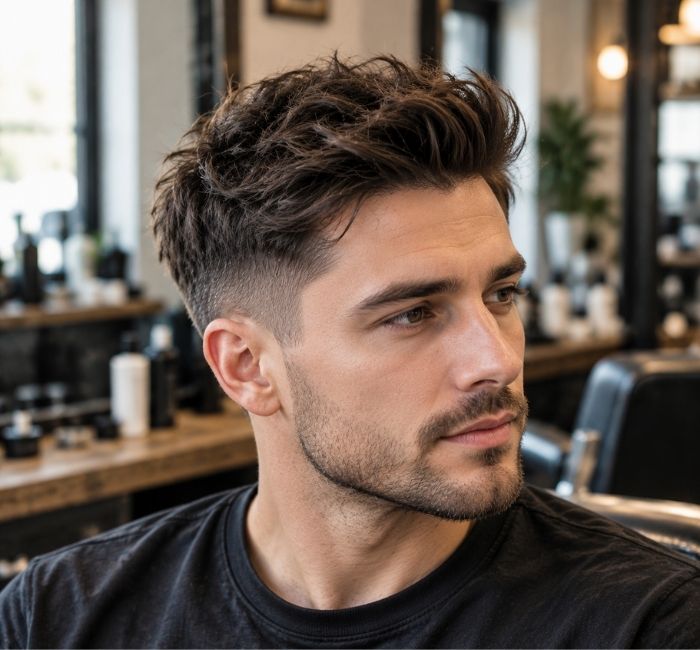
A messy quiff needs lift at the front, while a casual side part needs enough grip to keep the hair in position. Texture powder can help with both, creating a matte finish without the stiffness of a strong gel.
Apply it sparingly to dry roots, lift the front and direct the hair with your fingers. If you need stronger control, finish with a small amount of matte paste or clay.
This works best on short-to-medium hair with enough length to hold its shape.
Tell your barber whether you prefer a loose, messy quiff or a cleaner side part. Although both styles can use powder, the cut and direction of the hair affect the final result.
Quick Comparison Table
| Feature | Sea Salt Spray | Texture Powder |
| Application | Usually damp hair | Dry hair |
| Main benefit | Movement and waves | Root lift and separation |
| Finish | Tousled, textured | Matte, piecey |
| Best hair length | Medium to long; also short styles | Short to medium |
| Best use | Enhancing natural texture | Lifting flattened roots |
| Typical hold | Light to moderate, formula-dependent | Light to moderate, formula-dependent |
| Common drawback | Can increase dryness or frizz | Can leave visible residue |
| Hairdryer | Optional | Usually unnecessary |
| Refreshing hair | Restores movement through the lengths | Adds grip to flattened roots |
| Layering | Works with suitable styling products | Can be combined sparingly with paste or clay |
My take: if you only want one product, consider your everyday routine. Spray is a sensible choice for loose, natural movement; powder is often more practical for quick root lift.
What to Discuss Before Your Appointment or Purchase
Before buying either product, consider your haircut, hair type and how much time you want to spend styling.
When speaking to your barber, explain the result you want rather than simply asking for more texture. You might prefer fuller-looking roots, loose waves, a messy fringe or a quiff with a matte finish.
Useful questions include:
- Which of these two products would work better with the cut you’re giving me today?
- Do I need more root lift or movement through the lengths?
- Should I use sea salt spray before blow-drying or apply powder after drying?
- Which product would give me the finish I want without leaving my hair feeling dry or coated?
- Would a matte paste or clay provide better control alongside either product?
When shopping, check the product instructions, ingredients, fragrance and how easily it washes out. If your scalp is sensitive, introduce one new product at a time so you can identify any reaction.
I’d recommend starting with the smallest size available if you are unsure which finish you prefer. Try it for a few days and see whether your hair remains manageable without feeling dry or coated.
Common Mistakes to Avoid
Using Too Much Product
Extra spray can leave hair stiff, while too much powder may cause clumping or visible residue. Start with a small amount and add more only where needed.
Applying Powder to Wet Hair
Texture powder is generally designed for dry hair. Applying it to damp strands can cause uneven distribution. Follow the instructions for your particular product.
Expecting Strong Hold From Spray
Sea salt spray adds texture and movement but may not keep a stubborn quiff in place all day. Blow-dry the hair into position or use a little paste or clay if necessary.
Ignoring Hair Dryness
Reduce salt spray use if your hair becomes rough or tangled. Stop using products that cause persistent scalp irritation, and seek medical advice if symptoms continue.
Choosing Products Without Considering Your Haircut
Styling products cannot make every haircut behave the same way. A cut that suits your natural texture is usually easier to manage, so discuss your preferred finish with your barber first.
Frequently Asked Questions
Is sea salt spray better than texture powder?
Neither is universally better. Spray enhances waves and movement, while powder adds root lift and separation. Choose according to your hairstyle and desired finish.
Can I use sea salt spray and texture powder together?
Yes. Apply spray to damp hair, dry and shape it, then add a small amount of powder to the roots if you need extra lift. If your hair feels rough or coated, reduce the amount.
Is texture powder good for fine hair?
Yes. It can lift fine hair without adding much weight, but excessive use may cause strands to clump together. Start with a tiny amount.
Does sea salt spray damage hair?
Some formulas can leave hair dry or rough, particularly with frequent use. Condition your hair as needed and reduce application if you notice increased dryness.
Should texture powder go on wet or dry hair?
Usually dry hair. Applying powder to dry roots helps it distribute evenly and create grip. Always check the instructions for your specific formula.
Can these products replace wax or clay?
Sometimes. Spray and powder provide texture, movement or volume, while wax and clay generally offer more control. Structured hairstyles may benefit from using a small amount of another styling product.
Conclusion
My biggest takeaway is that sea salt spray and texture powder solve different styling problems. Choose spray for natural movement, defined waves and a relaxed finish. Choose powder for root lift, separation and a matte style that is easy to reshape.
Start with a small amount and pay attention to how your hair responds over time.
My take: try spray first if you have medium-length or naturally wavy hair. If your short hairstyle keeps falling flat, powder is probably the more practical choice. You can always introduce a second product later if your hairstyle genuinely needs it.



Leave a Reply